Saudi Arabia Vows Retaliation as Houthi Missiles and Drones Set Oil Sites Ablaze, Wound 73
A sweeping Houthi barrage hit an airport, an air base and multiple oil facilities across southern Saudi Arabia on Tuesday, igniting fires and sending Brent crude toward $100 a barrel.
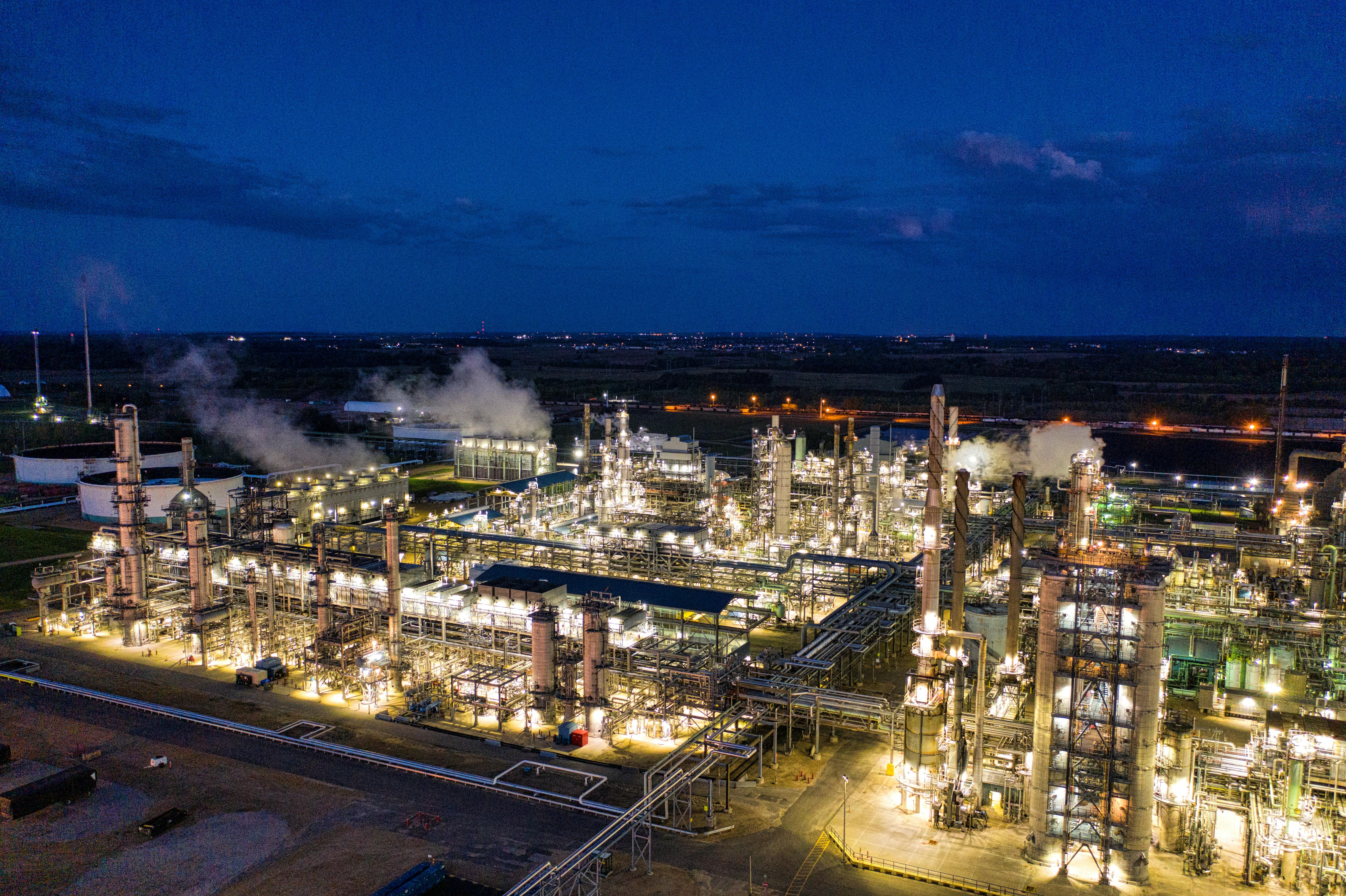
Iran-backed Houthi militants launched a broad wave of missile and drone strikes across southern Saudi Arabia on Tuesday, wounding more than 70 people and igniting fires at some of the kingdom's most important energy and military sites, according to NBC News and NPR. The Saudi-led coalition immediately vowed retaliation, saying it would take "all necessary operational measures" against the Yemeni rebel group.
The attacks struck a remarkably wide spread of targets in one coordinated push: Abha International Airport, the Aramco fuel terminal in Abha, King Khalid Air Base in Khamis Mushait, the Jizan refinery and a fuel terminal in Najran. The Jizan facility alone refines roughly 400,000 barrels of oil a day, making it one of the kingdom's largest, and operators were forced to temporarily suspend work at several of the sites as crews fought the resulting fires.
Oil Markets React Instantly
Global energy markets felt the shock within minutes of the first strikes. Brent crude climbed 2.2% to $99.16 a barrel while West Texas Intermediate jumped 3.3% to $94.46, according to market data. It was the latest jolt in a summer that has already seen oil prices grinding higher on Middle East tension, and traders now say a sustained run at Saudi infrastructure could push crude decisively past the $100 mark.
The Houthis claimed responsibility for the barrage, framing it as retaliation for what they say has been more than 120 Saudi-backed strikes on Yemeni territory over the past three days. The exchange marks one of the most serious ruptures yet in a four-year truce between the rebel group and the Saudi-led coalition, a truce that has already been fraying for weeks amid clashes between Houthi forces and Yemen's internationally recognized government.
WILL TAKE ALL NECESSARY OPERATIONAL MEASURES TO DETER THE TERRORIST HOUTHI MILITIA WITH UTMOST RESOLVE
Saudi officials have not yet detailed what form retaliation might take, but the kingdom has previously responded to major Houthi attacks with air campaigns against rebel-held positions in Yemen. Riyadh's coalition partners, along with Western governments that rely on Gulf oil exports, are watching closely for signs the fighting could spiral into a broader confrontation.
The strikes land amid an already tense regional backdrop, with the U.S. and Iran having traded fire in Gulf waters in recent days and Iran separately threatening to declare a new maritime exclusion zone in the Persian Gulf. Analysts say the Houthis, who receive weapons and backing from Tehran, may be seeking to open a second front that stretches Saudi and allied resources thin. No group has reported responsibility for coordinating the Yemen and Gulf theaters, and officials caution the situations remain distinct for now.
Saudi state media said emergency crews had contained the fires at the affected sites by Tuesday evening, though full damage assessments were still underway. The kingdom's oil giant Aramco has not issued a public statement on whether production capacity was affected long-term.