Hackers Cook France's Blood Supply as Cyberattack Wave Slams European Supermarkets Again
A fresh wave of cyberattacks turned refrigerators into furnaces at French blood-storage sites and supermarkets across eight European countries this week, reviving fears first raised by a nearly identical hack three weeks ago.
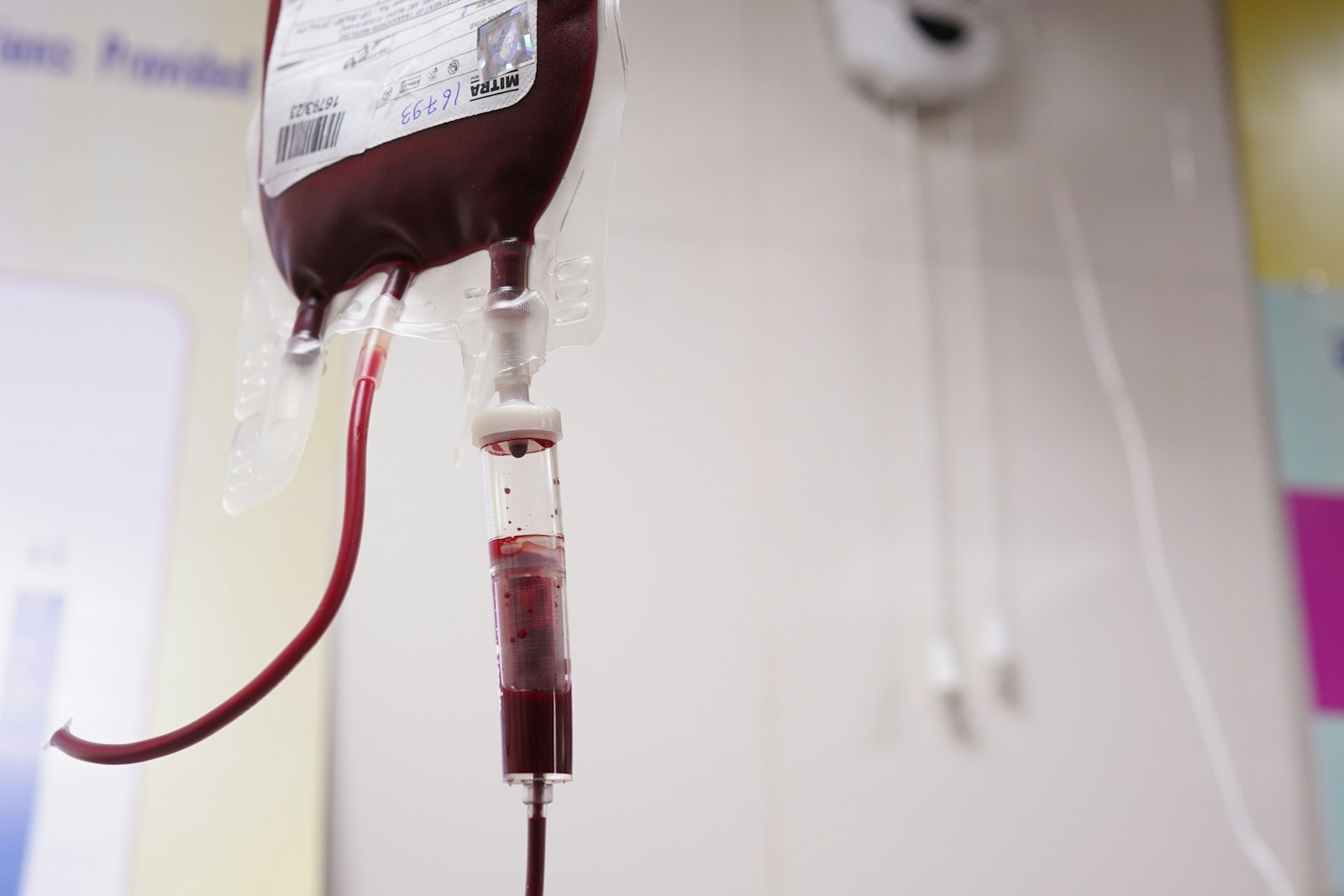
France's national blood service confirmed Wednesday that hackers broke into cold-storage control systems at three of its sites over the weekend, cranking temperatures meant to hold plasma at roughly minus-30°C up to a scorching 110°C. The Établissement Français du Sang said monitoring systems caught the spike before any damage was done: "No health consequences have been identified, and no blood products were lost," the French Health Ministry said, dating the intrusion to overnight November 1 into 2.
French weekly Le Canard Enchaîné named Coolworld, a contractor that manages cold-storage containers for the blood service, as one of the companies affected. France's cybersecurity agency ANSSI and the Health Ministry have opened an investigation into how attackers gained remote access to the refrigeration controls — the same basic vector used in a cyberattack that hit roughly 700 French supermarkets in mid-October.
The blood-bank intrusion wasn't an isolated incident. On the same night, shops in eight European countries were forced to throw out spoiled food after hackers tampered with supermarket fridges in an attack described as near-identical to October's. In Sweden, seven Coop stores had to disconnect their refrigeration systems from the internet entirely and are now shifting to 5G networks and modern modems. Germany's Edeka confirmed a hacked fridge at a store in Reisbach, complicated by the fact the chain has no standardized refrigeration system across its independently run locations. In Belgium, a supermarket in Maleizen was photographed tossing out spoiled goods. In Britain, hackers also targeted small meat-processing firms, though the damage there was limited.
A pattern nobody has fixed
Danfoss, the Danish refrigeration-control manufacturer whose equipment was implicated in October's wave, confirmed its systems were struck again and renewed its advice that such controllers never be directly reachable from the open internet. Richard Horne, chief executive of Britain's National Cyber Security Centre, warned that this kind of disruption is likely to become more common as aging industrial control technology increasingly buckles under modern hacking techniques.
"If you don't know whether your refrigerator controllers are vulnerable and connected to the internet, remove them from the public internet immediately," said Deloitte cybersecurity expert Frank Groenewegen, who cautioned that disconnecting systems isolates the immediate threat but doesn't fix the underlying vulnerability.
The EU's cybersecurity agency, ENISA, said the cross-border scale of the attacks "underscores the importance of European co-operation, rapid information-sharing and co-ordinated responses to cyber incidents." With a second wave striking barely three weeks after the first — and now reaching medical cold storage — investigators across multiple countries are racing to determine whether a single group is behind both, and whether Europe's industrial refrigeration networks have been patched fast enough to stop a third.