Russia Scrambles to Contain Mystery Illness at Secretive Siberian Plague Institute as Trump Offers to Help
A 28-year-old lab technician's death has triggered quarantines, conflicting official explanations and a White House offer of help — while the Kremlin insists there is nothing to worry about.
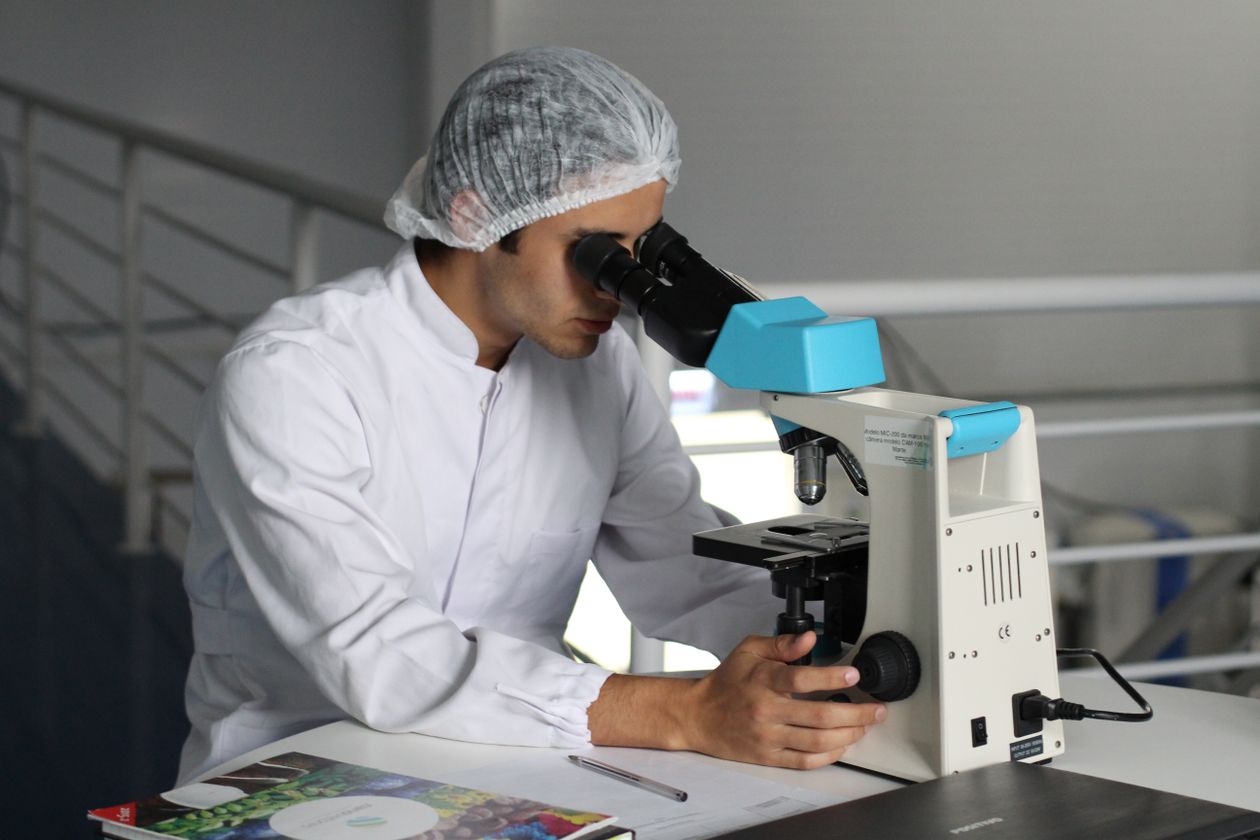
A sudden death at a Russian research institute devoted to studying the plague has set off a week of quarantines, contradictory official statements and international unease, after a 28-year-old laboratory technician at the Irkutsk Antiplague Research Institute of Siberia and the Far East died following a short illness.
The woman, who worked at the institute's facility in the town of Shelekhov near Irkutsk, fell ill and died within days. Russia's public health watchdog, Rospotrebnadzor, says she died of "pneumonia of unknown etiology" and maintains that lab testing found only ordinary pathogens — two COVID-19 cases and two rhinovirus cases among her contacts — with no sign of a pathogen-handling accident at the institute.
That official account hasn't stopped the obvious question: what exactly killed a healthy young scientist who worked around plague bacteria for a living. Several outlets have reported, without official confirmation, that the case may involve pneumonic plague — the fast-moving, historically lethal form of the disease that spreads through the air. Russia's last confirmed human plague case was in 2016.
Quarantines and conflicting numbers
Authorities moved fast regardless of the diagnosis dispute. Local reporting puts the number of people under medical observation near 200, with most hospitalized as a precaution, and more than 60 institute staff kept isolated inside the building in the first days after the death, according to Meduza's reporting from Irkutsk. Hospitals in the region remained under restrictions into this week, with some local reports describing quarantine orders expected to last roughly three weeks.
Rospotrebnadzor chief Anna Popova traveled to the region personally, and Kremlin spokesman Dmitry Peskov told Russians to rely on official statements rather than "rumors and speculation." Regional officials have repeatedly described the situation as "stable," and say none of the technician's contacts have developed symptoms.
WE'LL HELP THEM. WE'LL HELP THEM AS MUCH AS WE CAN.
The episode has nonetheless drawn in Washington. President Trump told reporters the United States was watching the situation closely and was ready to assist Moscow, saying, "We'll help them, we'll help them as much as we can" if asked. Secretary of State Marco Rubio struck a calmer tone, telling reporters the situation was monitored but was "not a cause for alarm." The CDC, State Department and the Administration for Strategic Preparedness and Response have all said they are tracking developments, though Russia has not requested outside assistance.
Skeptics in both Western and independent Russian media have accused the Kremlin of downplaying the episode, pointing to the scale of the quarantine as evidence the threat is more serious than officials admit. Russian authorities reject that characterization and say the containment measures are standard precaution given the institute's work with dangerous pathogens, plague included.
For now, the facts that aren't in dispute are narrow: a young scientist at a plague research lab is dead, roughly 200 people are under watch, and nobody outside Rospotrebnadzor has been allowed to independently verify the cause. A clearer picture is expected only if Russian authorities release laboratory confirmation or if the three-week quarantine period lifts without further illness.