Flydubai Wants Back Into Israel After Hijacking Scare. Israel's Own Ministers Can't Agree on the Answer
Weeks after a copilot's alleged hijacking attempt grounded the airline's Tel Aviv flights, flydubai is pushing to resume service — and splitting Israel's security and transport chiefs in the process.
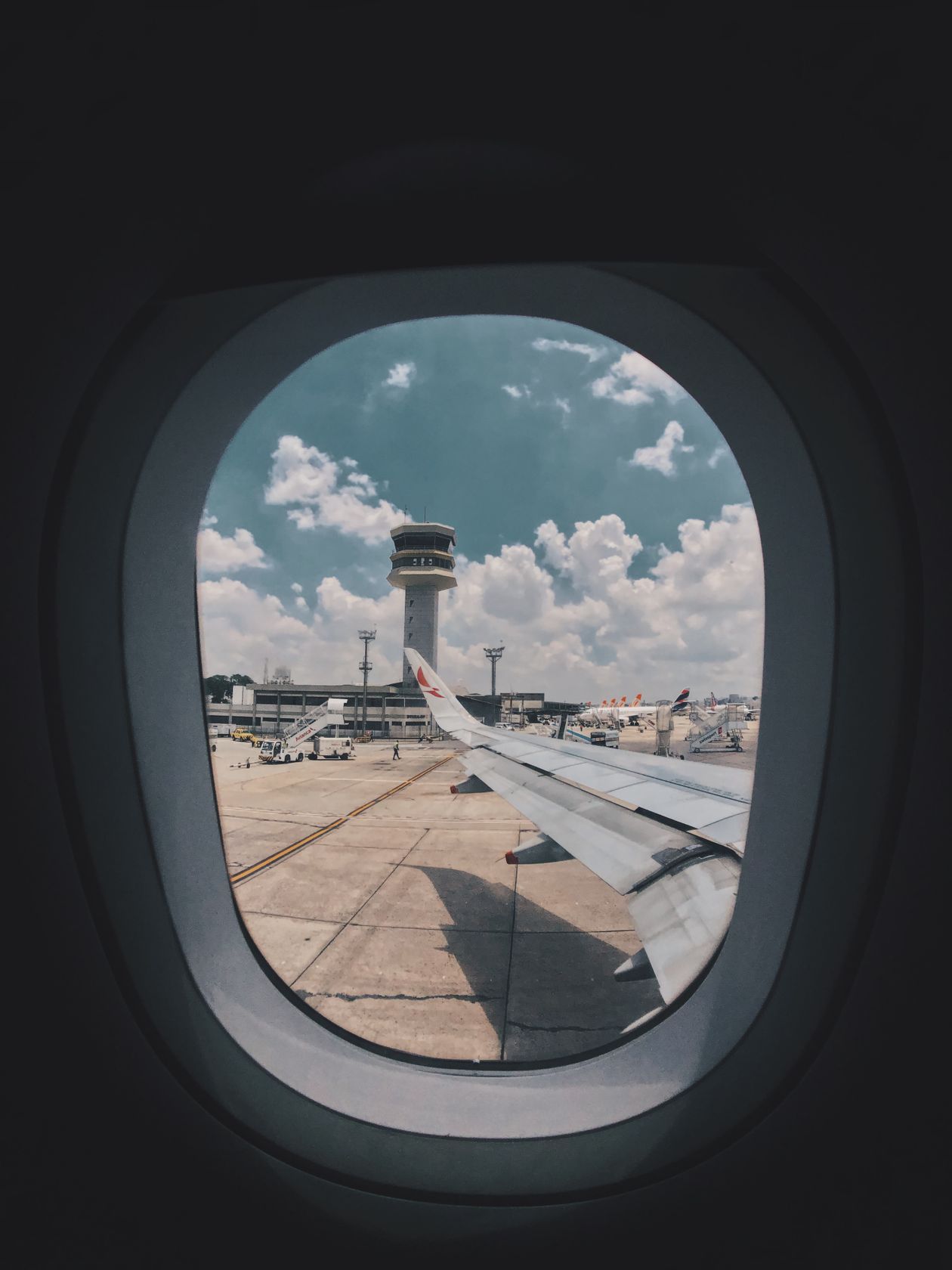
Flydubai is asking Israel to let it resume flights to Tel Aviv, more than a week after a suspected hijacking attempt aboard one of its Dubai-to-Israel flights triggered a six-day suspension, a criminal investigation and an unusually public rift inside Israel's own government over how to respond.
Israel grounded flydubai's Ben Gurion Airport operations after an incident in which an Omani copilot allegedly attempted to seize control of the aircraft. The decision to suspend the airline came directly from the Prime Minister's Office and was coordinated with the United Arab Emirates, according to Ynet's reporting, with both governments agreeing the incident needed investigating before flights could resume.
A fight inside Israel's own cabinet
What's kept the dispute alive since is less the hijacking attempt itself than Israel's internal disagreement over the fallout. Transport Minister Miri Regev has pushed to keep flydubai grounded and has gone further, pressing for Israeli carriers to be allowed to fly directly into Dubai with Israeli security screening of their own — a demand that has put her at odds with Shin Bet Director David Zini over how the security review should proceed.
Regev has also argued flydubai itself broke the bilateral aviation agreement between the two countries, which requires pilots on the route to come from nations with diplomatic relations with Israel — a requirement Oman does not clearly meet. Israeli carriers, for their part, say the dispute is really commercial: as long as flydubai and Etihad keep exclusive control of the Dubai-Tel Aviv corridor, the UAE has little incentive to let Israeli airlines compete on it directly, as JNS reported in its look at the route's symbolic weight in Israel-UAE relations.
A SERIOUS INCIDENT THAT CANNOT BE IGNORED
A joint investigation involving Mossad, Shin Bet, the Israeli military and the Transport Ministry is examining how an Omani national came to be flying the route at all, and whether there was any warning sign before the flight that should have been caught. Separately, Israeli outlets have reported that police are now looking at whether senior Transport Ministry officials had a conflict of interest in how the flydubai matter was handled — an inquiry that remains active and unresolved.
The route matters well beyond ticket sales. Flydubai has functioned as one of the few direct air links between Israel and a Gulf state since the 2020 Abraham Accords, making it a visible symbol of the normalization process as well as a practical travel option. A prolonged suspension, or a messy, drawn-out resumption, risks becoming a minor diplomatic headache for both governments at a moment when the wider region remains tense.
Neither Jerusalem nor Abu Dhabi has indicated a resumption date. Until the security review concludes and Israel's own ministers settle their disagreement, flydubai's push to get back into Ben Gurion Airport is, for now, just that — a request.