America's Tab Just Hit $40 TRILLION — And It's Climbing Faster Than Anyone Predicted
Treasury Department data released this week confirmed the national debt blew past the once-unthinkable $40 trillion mark, arriving months ahead of forecasts as tariff refunds and ballooning interest costs pile on faster than the government can collect taxes.
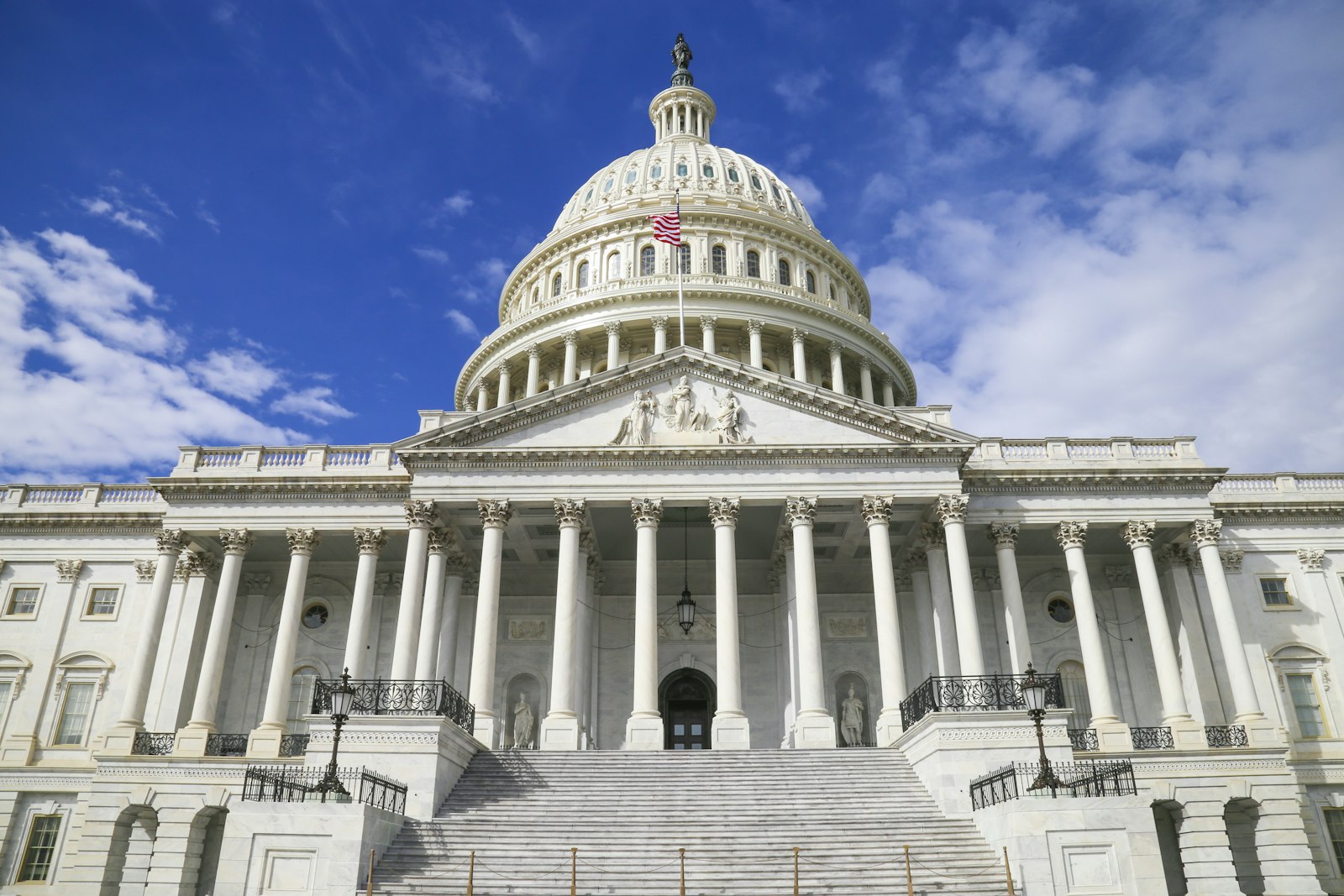
The United States government's debt officially crossed $40 trillion this week, according to daily figures released by the U.S. Treasury Department, a milestone that arrived far sooner than budget forecasters had projected just months ago. The debt stood at $40.05 trillion as of August 18, capping a run in which the figure has doubled in under a decade.
It took the country roughly five months to climb from $39 trillion to $40 trillion — a pace that alarmed fiscal watchdogs who note the government needed decades to rack up its first trillion but now adds ten figures' worth in a matter of months. The debt has more than doubled since January 2017, when it stood at $19.95 trillion, according to CBS News' review of Treasury data.
Where the Money Went
Analysts point to a collision of factors. The Treasury last week logged the fourth-highest monthly deficit in U.S. history — $432 billion for July alone — as customs receipts turned negative for a third straight month after the government was forced to refund more than $100 billion in tariffs the Supreme Court ruled had been collected illegally. Meanwhile, Social Security and Medicare outlays for a graying population kept climbing, and interest payments on the debt itself have swelled into the government's second-largest expense after Social Security, now topping $1 trillion a year and consuming nearly 14% of federal spending.
Borrowing costs are compounding the problem. Thirty-year Treasury yields recently hit a 19-year high, pushing 30-year mortgage rates toward 6.7% and raising the government's own cost of rolling over its debt. Government revenue grew only about 3% over the past year while spending rose faster still, according to NPR's analysis of the numbers.
Broken down per person, the $40 trillion figure works out to roughly $117,000 for every man, woman and child in the country — about $297,000 per household.
"$40 trillion should be a wake-up call. But neither Congress nor the president have a credible plan to stop it," said Carolyn Bourdeaux of the fiscal watchdog group Concord Action.
A 26-Year Habit
The federal government hasn't run a budget surplus since 2001, and experts say the current trajectory reflects structural problems that predate any single administration. "We've been running deficits for the last 26 years, and we've basically ignored a lot of the structural challenges" built into the budget, said Michael Peterson, CEO of the Peter G. Peterson Foundation, a nonpartisan group focused on fiscal policy. Margaret Spellings of the Bipartisan Policy Center was blunter still, telling reporters the country's "current fiscal trajectory is plainly unsustainable, and that's the best-case scenario," warning that a shock like a recession, a global conflict or a disruptive economic shift could tip a chronic challenge into an acute crisis.
The Trump administration's tax-and-spending package, dubbed the One Big Beautiful Bill, is projected by independent analysts to add roughly $4.2 trillion to the debt through 2034, even as the White House has pointed to tariff revenue and economic growth as offsetting factors. Congress, for its part, has shown little urgency: no major deficit-reduction package is currently moving through either chamber, and the debt ceiling fights of years past have largely given way to routine, unremarked-upon increases.
What Happens Next
Without changes to spending or tax policy, government forecasters warn the debt could reach $50 trillion within roughly six years. In the near term, the more immediate risk economists are watching is the debt's drag on everyday borrowing costs — from mortgages to auto loans to credit cards — as investors demand higher yields to keep financing Washington's bills. Lawmakers return from summer recess next month facing a fresh round of spending fights, but few in either party are betting on a serious push to change course before the next milestone arrives.