Uncle Sam Bets $1.9 Billion a Dead Nuclear Plant Can Rise Again
The Duane Arnold Energy Center went dark in 2020 after a derecho battered it. Now the federal government is loaning NextEra Energy $1.9 billion to bring it roaring back — with Big Tech's power-hungry data centers waiting in line.
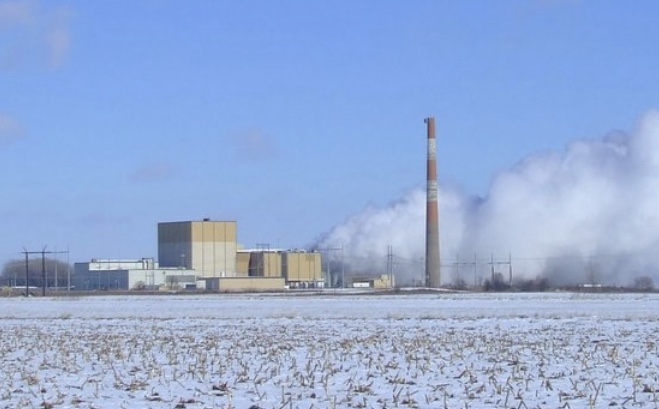
A nuclear power plant that has sat dark in an Iowa cornfield for six years is getting a second life — and Washington is fronting nearly $2 billion to make it happen.
The U.S. Department of Energy announced Tuesday it had closed a loan of up to $1.9 billion to NextEra Energy to help finance the restart of the Duane Arnold Energy Center, a 615-megawatt reactor in Linn County that shut down in 2020 after a derecho tore through the region and damaged the facility beyond what its owners deemed worth repairing at the time.
The loan, issued through the department's Office of Energy Dominance Financing, is designed to bring Iowa's only nuclear plant back online — enough generating capacity, officials say, to power roughly 500,000 homes. NextEra projects the project will support nearly 1,500 construction jobs and more than 450 permanent operating positions once the plant is running again.
"Returning 615 megawatts of reliable baseload generation will drive down electricity costs, while supporting thousands of American jobs," Deputy Energy Secretary James P. Danly said in the department's announcement.
"RESTARTING DUANE ARNOLD IS ABOUT DELIVERING NEW POWER TO MEET NEW DEMAND."
That line, from NextEra chief executive John Ketchum, points to the real force behind the restart: an electricity crunch driven largely by data centers. Google struck a deal with NextEra last year to buy power from the plant once it's back online, a bet on nuclear energy as a steady, carbon-free source to feed the artificial-intelligence boom's voracious appetite for electricity.
Duane Arnold operated safely for more than four decades before its 2020 shutdown. Getting it running again is not simple: NextEra still needs sign-off from the Nuclear Regulatory Commission, which is conducting inspections and engineering reviews of equipment that has sat idle for years. The Iowa Utilities Commission already granted the project a construction and operation certificate back in June.
Company officials are targeting the first quarter of 2029 for the plant to rejoin the grid, though federal officials have also floated an end-of-2028 timeline. Either way, it's a years-long undertaking backed by public money — the third nuclear restart the current administration has financed, part of a broader push under an executive order aimed at reviving the country's nuclear industrial base.
Backers argue the payoff is substantial: one economic study projected the restart could generate more than $9 billion in benefits for Iowa over 25 years and roughly $75 million in tax revenue. Critics of restart financing elsewhere in the country have questioned whether taxpayer-backed loans should underwrite plants that utilities themselves mothballed as uneconomical years earlier — a debate likely to follow Duane Arnold as construction crews move onto the site in the months ahead.
For now, the deal is done and the clock is running. What happens next rests with federal regulators, whose review will determine whether Iowa's cornfields get their nuclear plant back on schedule — or whether the restart, like the plant itself, hits delays before it ever reaches full power.