SNAP Shock: More Than 5 Million Americans Lose Food Stamps in a Single Year Under New Work Rules
Enrollment fell 13.5% in a year after 2025's new work requirements took hold — more than twice what the government's own forecasters predicted over an entire decade.
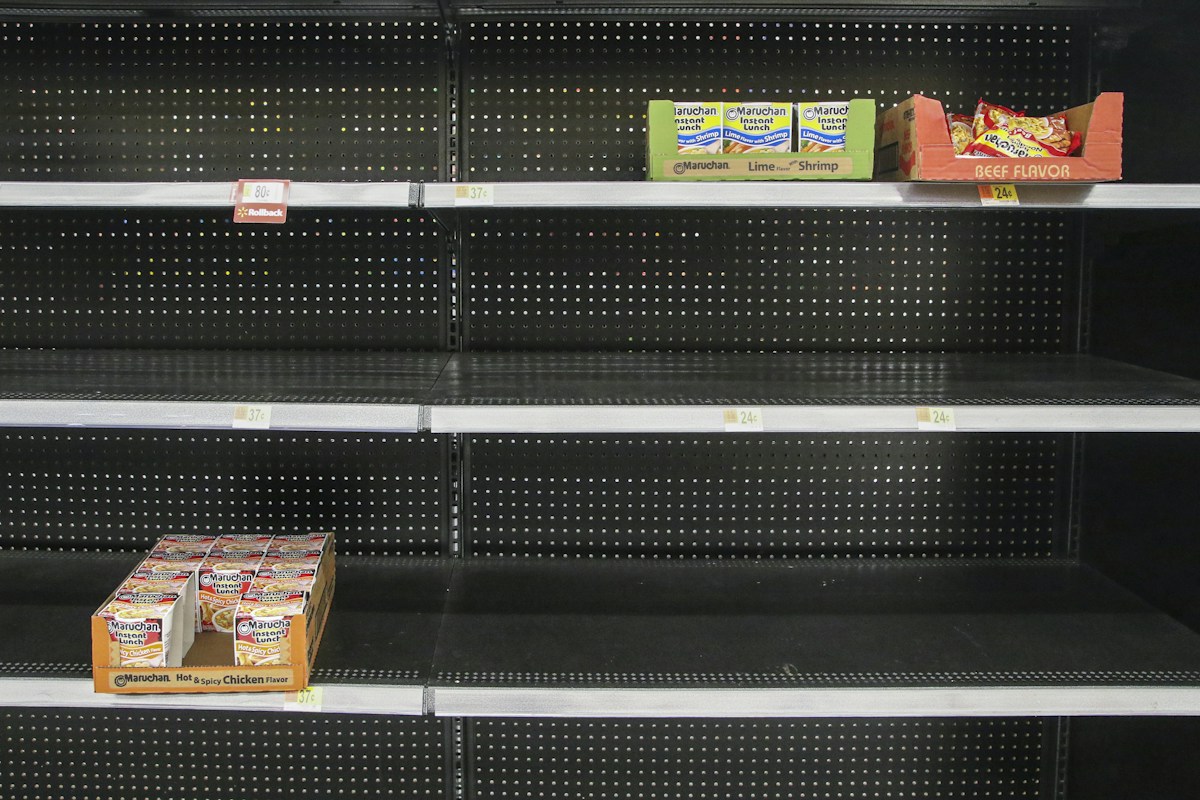
More than five million Americans have been dropped from the Supplemental Nutrition Assistance Program over the past year, a collapse in enrollment that has far outpaced even the federal government's own projections for how many people new work requirements would push off the rolls.
SNAP enrollment has fallen 13.5% in a single year, from roughly 42.2 million recipients to about 36.6 million, according to federal data. The decline follows a 2025 overhaul, passed as part of a sweeping tax-and-spending package, that requires most SNAP recipients to work, train or volunteer 20 hours a week to keep their benefits — and raised the age at which that requirement kicks in to 64, sweeping in older workers who had previously been exempt.
Far Beyond What Was Predicted
When Congress passed the new work rules, the nonpartisan Congressional Budget Office projected they would reduce SNAP enrollment by about 2.4 million people over a full decade. Instead, enrollment has already dropped more than twice that number in a single year — a gap that anti-hunger advocates say reflects not just stricter eligibility, but confusion and red tape.
Advocates and administrators have pointed to the rules' rapid rollout and inconsistent public notice as a major driver of the overshoot: many recipients who may still qualify for benefits appear to have lost them anyway after missing paperwork deadlines or failing to document hours they were, in fact, working.
ENROLLMENT FELL TWICE AS FAST AS WASHINGTON'S OWN FORECASTERS EXPECTED.
The real-world impact is already showing up away from government ledgers. Food banks and mobile pantries have reported roughly a 7.9% increase over the past year in the number of people showing up for help, according to hunger-relief groups tracking the fallout — a sign that many who lost SNAP benefits haven't stopped needing food assistance, they've simply found a different, less reliable source for it.
The U.S. Department of Agriculture's SNAP program remains the country's largest food-assistance safety net, serving tens of millions of low-income households, seniors and families with children. Supporters of the new work requirements have argued they encourage self-sufficiency and target benefits to those who need them most; critics counter that the speed and scale of the drop suggest the rules are screening out eligible people along with their intended targets.
What happens next largely depends on Congress and the states. Some lawmakers have floated adjustments to the rules' implementation, while anti-poverty groups are pushing for simplified verification processes. Barring changes, the trend is expected to continue, with enrollment data for the next several months likely to show whether this year's historic drop was a one-time adjustment or the start of a longer decline.