Trump's Order to Strip Gray Wolves of Federal Protection Draws Fire From Tribes, Scientists
An executive order directing Interior to fast-track delisting has ranchers and Western Republicans cheering — and has triggered swift objections from tribal nations, hundreds of scientists and animal-welfare groups.
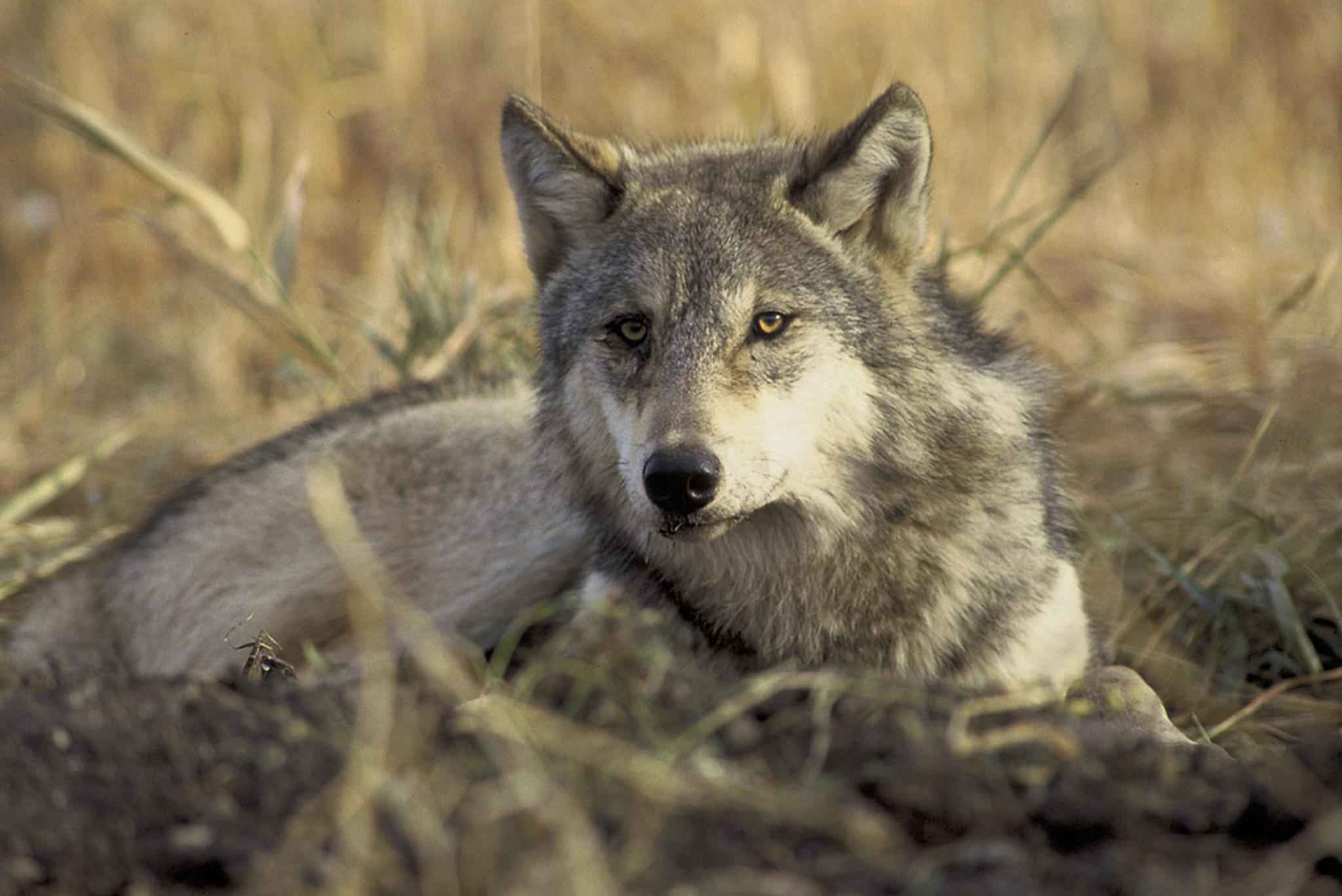
President Trump has directed the Interior Department to move toward stripping gray wolves of their federal Endangered Species Act protections, an order that has delighted ranchers and Western Republican lawmakers while drawing swift condemnation from tribal nations, wildlife scientists and conservation groups.
The executive order, signed Sept. 4, gives the Interior secretary 90 days to determine whether gray wolves meet the criteria for delisting or downlisting nationwide, and directs the department — along with the Agriculture Department — to prepare a legislative proposal and consider loosening federal rules on the lethal removal of wolves that threaten livestock. According to The Washington Post, the move formalizes a long-sought goal of GOP lawmakers from Western states where wolf populations have rebounded enough to conflict with ranching operations.
Tribes Vow to Fight Back
The reaction from tribal nations was immediate. The Great Lakes Indian Fish and Wildlife Commission, which represents Ojibwe bands across Minnesota, Wisconsin and Michigan, condemned the order, with a spokesperson saying the tribes have "a very ancient and traditional relationship with what we call ma'iingan — the word for wolf," and vowing to "take whatever means or avenues necessary to help protect their relative."
86 MEMBERS OF CONGRESS, 100 SCIENTISTS, 230 BUSINESSES AND 367 VETERINARY PROFESSIONALS HAVE ALL FORMALLY OPPOSED THE PLAN.
The scale of organized opposition is unusually broad: 86 members of Congress across the House and Senate, more than 100 scientists, roughly 230 businesses, primatologist Dr. Jane Goodall and 367 veterinary professionals have all submitted letters opposing the delisting push, according to figures compiled by wildlife advocacy groups. The Sierra Club issued a statement condemning the order as targeting both gray wolves and the critically endangered Mexican gray wolf subspecies, warning that removing federal oversight could reverse decades of recovery work.
Ranchers and hunting groups, by contrast, argue that wolf populations in states like Montana, Idaho and Wyoming have long since recovered past the thresholds originally used to justify federal listing, and that continued protections make it needlessly difficult for producers to respond when wolves kill livestock. Supporters point to a similar delisting push during Trump's first term that was later reinstated by the Biden administration and remains tied up in litigation.
Environmental law groups, including the Natural Resources Defense Council, have signaled they are prepared to challenge any final delisting rule in court, following the same legal playbook used against the 2020 delisting attempt. That fight dragged on for years and ultimately saw a federal judge restore protections across most of the wolf's range.
The Interior Department, in its own press release, framed the move as "returning management and protection of gray wolves to states and tribes following successful recovery efforts." How much authority actually shifts to tribal co-management, rather than to state wildlife agencies favored by hunting and ranching interests, is likely to become a central point of contention as the 90-day review unfolds.