Supreme Court Clears Way for GOP to Cash In on Cut-Rate Campaign Ads Before Midterms
In an emergency order over Justice Ketanji Brown Jackson's lone public dissent, the justices revived a discount ad-rate policy that hands Republican Party committees — who already hold a massive cash edge — a cheaper path to blanket the airwaves before November.
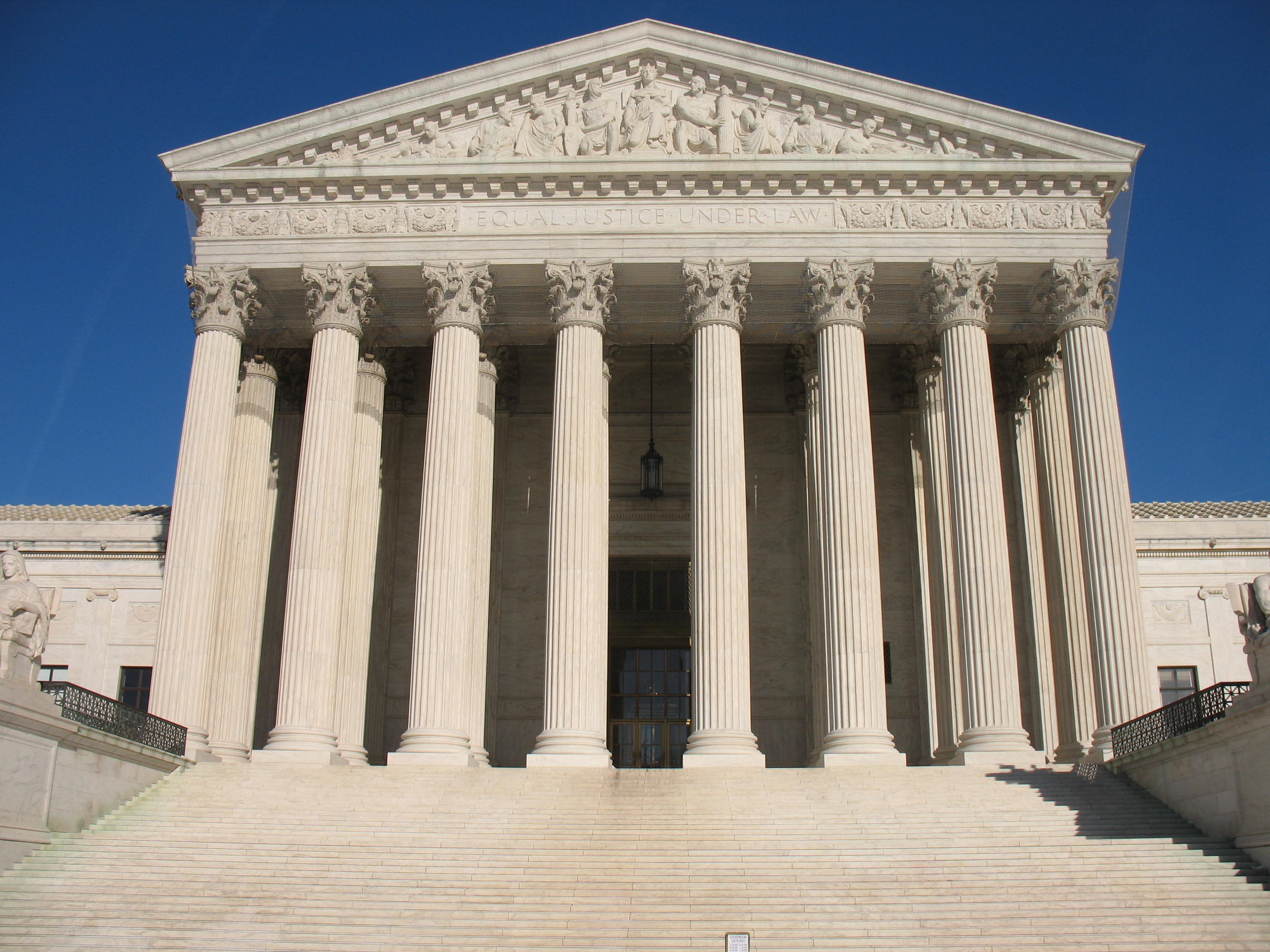
The Supreme Court handed Republican Party committees a financial edge for the November midterms on Friday, issuing an emergency order that revives an FCC policy letting national party committees buy TV and radio ads at the same rock-bottom rates individual candidates get.
The unsigned order stays a ruling from a divided panel of the 4th U.S. Circuit Court of Appeals, which on August 25 had thrown out the Federal Communications Commission's March guidance extending "lowest unit charge" protections — long reserved for candidates under the Communications Act — to coordinated party spending and joint fundraising committees. The National Republican Congressional Committee and National Republican Senatorial Committee had asked the justices to intervene after the appeals court blocked the discount.
Justice Ketanji Brown Jackson was the only justice to publicly note a dissent from the order, which found that the 4th Circuit likely lacked jurisdiction to rule at all because the challengers had not first exhausted the FCC's own administrative review process, according to reporting on the order.
A Cash Advantage, Now Cheaper to Spend
The stakes go beyond legal procedure. Discounted rates under the FCC rule have historically run three to thirteen times cheaper than standard commercial ad buys during the 60 days before a general election. As of July, the three major Republican committees — the RNC, NRCC and NRSC — held a combined roughly $279 million in cash on hand, more than double the approximately $136 million held by their Democratic counterparts, who are also carrying nearly $18 million in debt.
Democratic FCC Commissioner Anna Gomez criticized the timing and substance of the ruling, warning it "throws the final stretch of the midterms into chaos" and opens the door for wealthy donors to pool unlimited contributions through party committees to buy discounted airtime that ordinary political action committees cannot access.
"This stay throws the final stretch of the midterms into chaos." — FCC Commissioner Anna M. Gomez
Republican committees and their allies countered that the FCC policy simply restores parity between candidates and the parties that support them, and that broadcasters were already administering the discount without incident before the 4th Circuit's August ruling paused it.
The case traces back to a challenge brought in part by Democratic-aligned candidates, including Georgia Sen. Jon Ossoff, who argued the FCC overstepped its authority by expanding candidate-only protections to party committees without formal rulemaking. Friday's order does not resolve that underlying dispute — it merely restores the discounted rates while the party committees pursue full Supreme Court review of the 4th Circuit's decision.
For now, broadcasters nationwide are expected to resume offering the lower "lowest unit charge" rates to party committees immediately, giving the NRCC and NRSC access to discounted airtime in competitive House and Senate races just as the fall advertising sprint begins. Democratic committees, facing both a cash deficit and now a rival with cheaper ad math, are expected to press their case further in the courts and to lean harder on small-dollar fundraising in the campaign's final stretch.