Supreme Court Agrees to Hear Trump Team's Bid to Keep DOGE Records Secret
The justices will decide whether Elon Musk's Department of Government Efficiency counts as an "agency" under federal transparency law, reopening a fight the court already intervened in once.
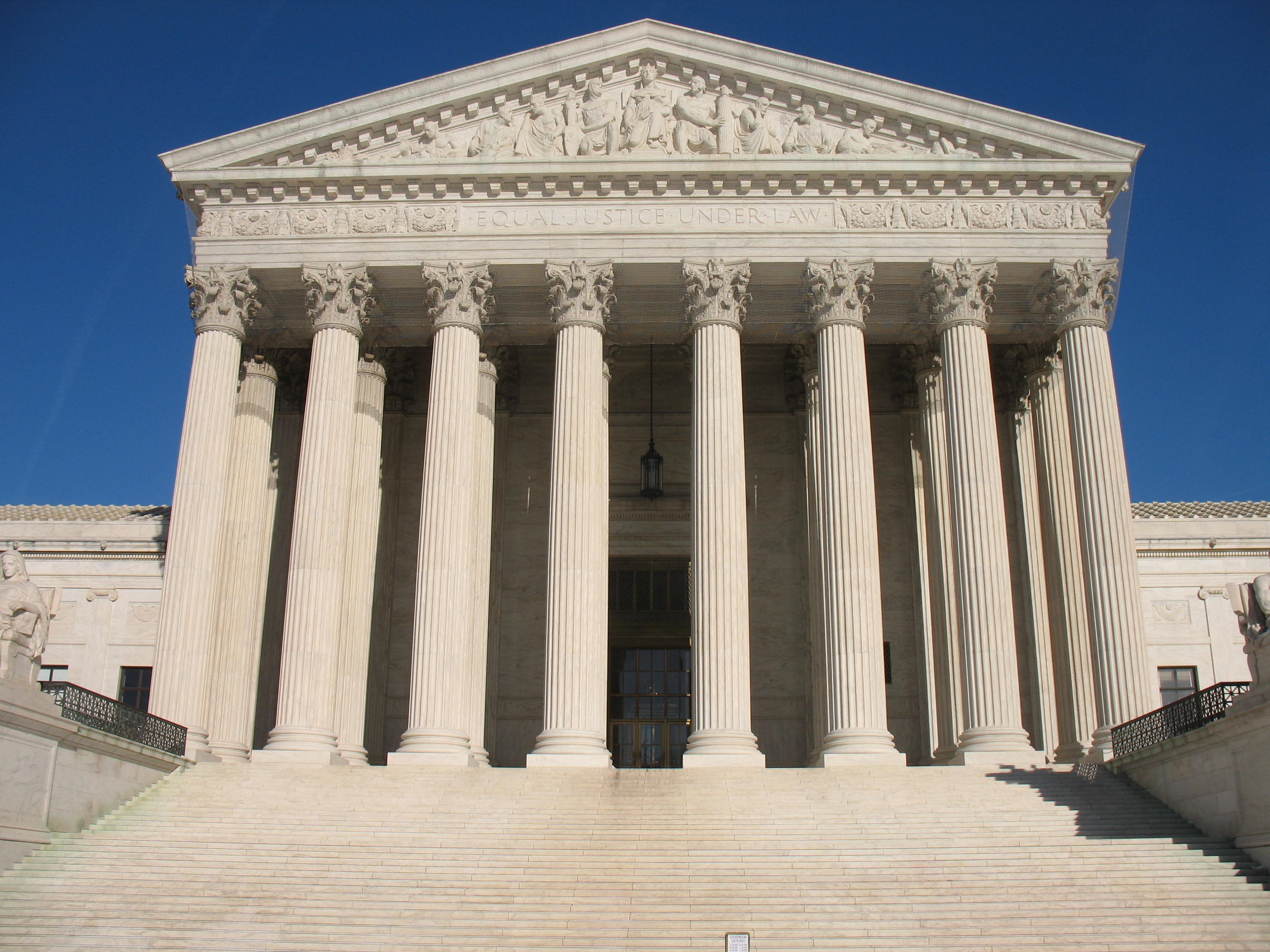
The Supreme Court agreed Tuesday to take up a fight over whether Elon Musk's Department of Government Efficiency has to hand over its internal records to a government watchdog group — a case that could redefine how much of the federal transparency law known as FOIA applies to the unit that drove some of the Trump administration's deepest cuts to the federal workforce.
The justices granted certiorari at the request of the Trump administration's solicitor general, agreeing to hear arguments on the merits after a lower-court fight that has already made two trips to the high court's emergency docket. At the center of the case: whether DOGE counts as an "agency" under the Freedom of Information Act, which would force it to disclose internal communications and operational records, or whether it is merely an advisory body within the Executive Office of the President exempt from such requests.
Round two at the high court
The watchdog group Citizens for Responsibility and Ethics in Washington, known as CREW, sued last year demanding DOGE turn over records about its structure, staffing and decision-making. A federal judge ordered broad disclosure, but the Supreme Court intervened in June 2025, pausing that order on a 6-3 vote over the dissent of the court's three liberal justices, who argued the records demand should have simply been narrowed rather than halted outright.
DOGE FUNCTIONS AS A FEDERAL AGENCY AND SHOULD BE COVERED BY FOIA
That is the heart of CREW's argument heading into full briefing, according to reporting from The Hill. The administration's solicitor general counters that treating an advisory body like DOGE as subject to the kind of broad discovery FOIA permits would undermine the law's purpose and chill internal executive-branch deliberations.
DOGE was created early in President Trump's second term with a sweeping mandate to slash federal spending and headcount, and it quickly became one of the most litigated functions of the administration, drawing dozens of lawsuits over everything from data access at the Social Security Administration to the legal status of its own employees. The Supreme Court separately ruled last year, in a related fight, that DOGE could access sensitive Social Security data despite objections from privacy advocates.
Why the "agency" label matters
FOIA's disclosure requirements apply only to federal "agencies," a term the statute defines broadly but that courts have long wrestled with when a body sits close to the president and performs an advisory, rather than purely operational, function. The administration has argued throughout the litigation that DOGE functions much like other components of the Executive Office of the President — entities historically treated as exempt from FOIA precisely because they advise the president directly rather than independently administering programs or spending public funds.
CREW and other transparency advocates counter that DOGE's footprint looks nothing like a traditional advisory body: it has directed the shutdown of entire federal offices, pushed out tens of thousands of employees, and gained access to sensitive payment and personnel systems across numerous agencies. If an entity wielding that much operational authority can avoid FOIA simply by being housed inside the West Wing, the group argues, the transparency law's core purpose would be gutted for any future administration inclined to structure similar units the same way.
The stakes extend beyond this single case. A ruling in the administration's favor could provide a template for shielding future task forces or advisory bodies from public records requests, while a win for CREW could force DOGE — and potentially similar bodies created down the line — to open up internal deliberations to a degree the White House has resisted since DOGE's creation.
What's next
The case now moves to full briefing, with oral arguments expected in early 2027 and a decision likely by the end of the court's term that July — meaning the underlying dispute over what DOGE must disclose, and to whom, will remain unresolved deep into next year's political calendar.