Clocks Are Falling Back Nov. 1 After All, as Trump's Push to Kill Daylight Saving Time Stalls in the Senate
The House passed the Sunshine Protection Act back in July. The Senate hasn't touched it since, and won't be back in session until after the midterms.
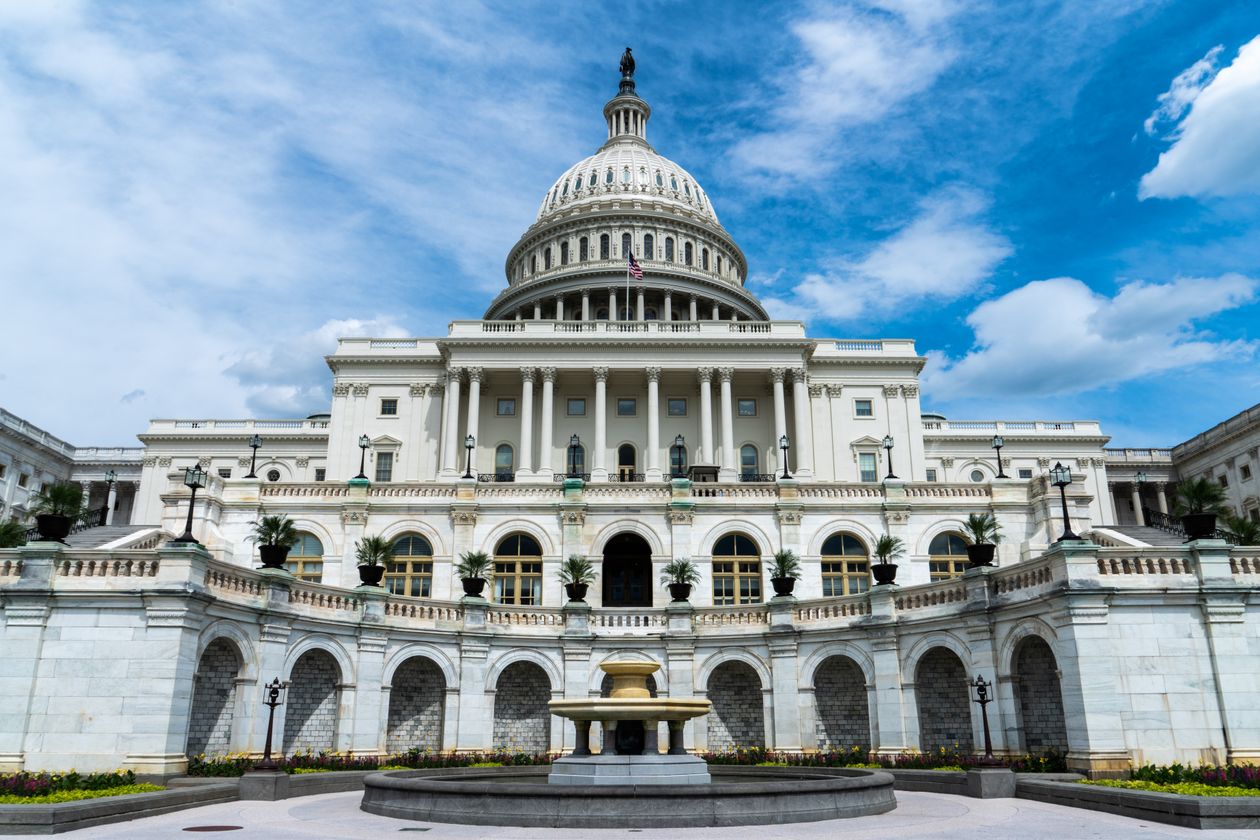
Americans will set their clocks back an hour on Sunday, Nov. 1, just as they have for decades — not because anyone decided that's the right policy, but because the Senate simply hasn't gotten around to changing it.
The House passed the Sunshine Protection Act, which would make daylight saving time permanent nationwide, by a lopsided 308-117 vote back on July 14. Nearly three months later, the bill is still sitting in the Senate, where it remains stuck without a scheduled vote.
Why it's going nowhere
The holdup isn't really about daylight saving time itself — it's about the math. Senate Majority Leader John Thune has said he's skeptical the bill can clear the 60-vote threshold it would need to survive a filibuster. Sen. Tom Cotton of Arkansas has been one of the loudest holdouts, arguing permanent DST would "push winter sunrises to an absurdly late hour" in northern and eastern states, a concern that sank a nearly identical push in 2022. Sen. Rick Scott of Florida, the bill's Senate sponsor, has kept pushing for floor time regardless.
President Trump has leaned on Republican senators directly, publicly urging them in August to "release their holds" and get the bill moving. It hasn't worked. The Idaho Capital Sun reported on Trump's August appeal, and two months on, nothing about the Senate's calendar has changed.
AN ABSURDLY LATE HOUR
Timing is working against the bill in a more literal sense now, too. The Senate isn't scheduled to reconvene until the week of Nov. 9 — after the midterm elections, and after clocks have already fallen back for the winter. With the current Congress expected to sit only until mid-December, the realistic window to pass anything before 2027 is narrow and shrinking.
This isn't the first time a permanent-time bill has died of neglect rather than defeat. The Senate passed a similar measure by unanimous consent in March 2022, only for it to stall out in the House that time. The chambers have now each passed their own version at different points without ever getting both to agree in the same Congress.
For now, the practical result is simple: Americans fall back an hour on Nov. 1 as usual, spring forward again next March, and Congress's on-again, off-again effort to end that cycle enters at least its fifth year without resolution.