Clocks Fall Back Sunday — and the Bill That Could Make This the Last Time Is Stuck in the Senate
Daylight saving time ends at 2 a.m. Sunday, even though the House passed a bill in July to end the twice-a-year ritual for good.
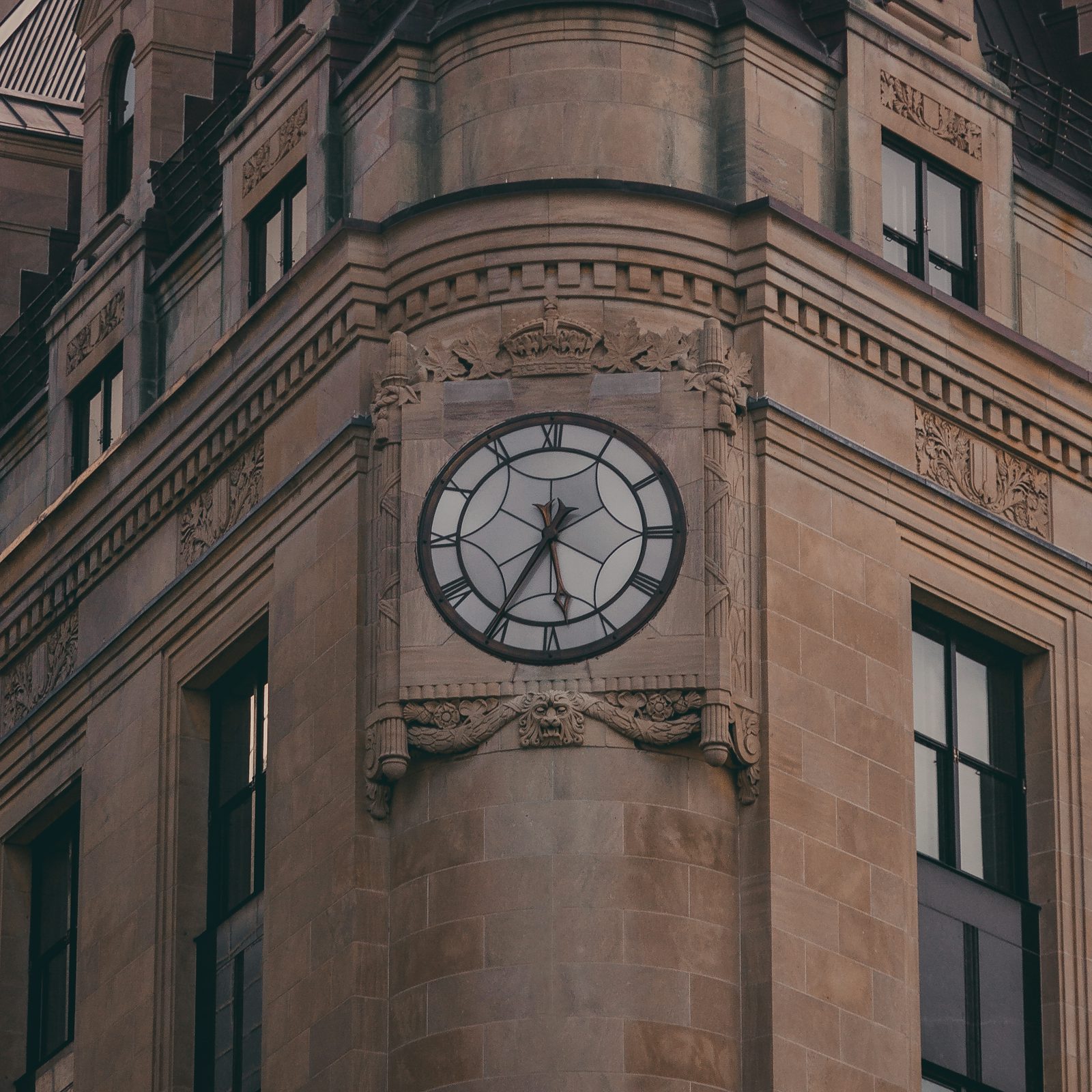
Daylight saving time officially ends at 2 a.m. Sunday, when clocks across most of the country fall back one hour to 1 a.m. — the last scheduled time change of the year under the federal rule that has governed the practice since 1966.
Under the Uniform Time Act, daylight saving time begins the second Sunday in March and ends the first Sunday in November. Arizona and Hawaii don't observe the change at all, though the Navajo Nation's territory within Arizona does.
A Bill Stuck in Limbo
This may not be the ritual's last run, but it isn't going away yet, either. The House passed the Sunshine Protection Act, which would make daylight saving time permanent nationwide with an opt-out for individual states, by a 308-117 vote on July 14, according to the House Energy and Commerce Committee. President Trump has voiced support for the change. But the bill, formally H.R. 139, has sat without a scheduled vote in the Senate ever since, meaning the Nov. 1 switch goes ahead as usual this year.
It isn't the first time the idea has stalled. The Senate passed an earlier version of the Sunshine Protection Act by unanimous consent in 2022, only for the House to let it die without a vote before that Congress ended, according to contemporaneous reporting.
THE HOUSE VOTED. THE CLOCKS STILL CHANGE.
Critics of making daylight saving time permanent, including some pediatric sleep researchers, have warned that locking in the later sunrise would leave children walking to school in the dark through the winter months in northern states — a concern that helped sink momentum behind the 2022 push and remains a sticking point in the Senate.
What's Next
Unless the Senate schedules and passes its own vote, Americans should plan on changing their clocks again next spring, and falling back again next November, under the same rules that have applied for decades.