SEOUL SELL-OFF: Korea's Stock Market Craters Again as Chip Giants Samsung, SK Hynix Bleed Billions
South Korea's KOSPI plunged as much as 6.3% and tripped an emergency trading halt on Wednesday, dragging semiconductor titans Samsung and SK Hynix down double digits as a US Treasury-yield spike and fading AI-spending confidence rocked the world's most volatile major market.
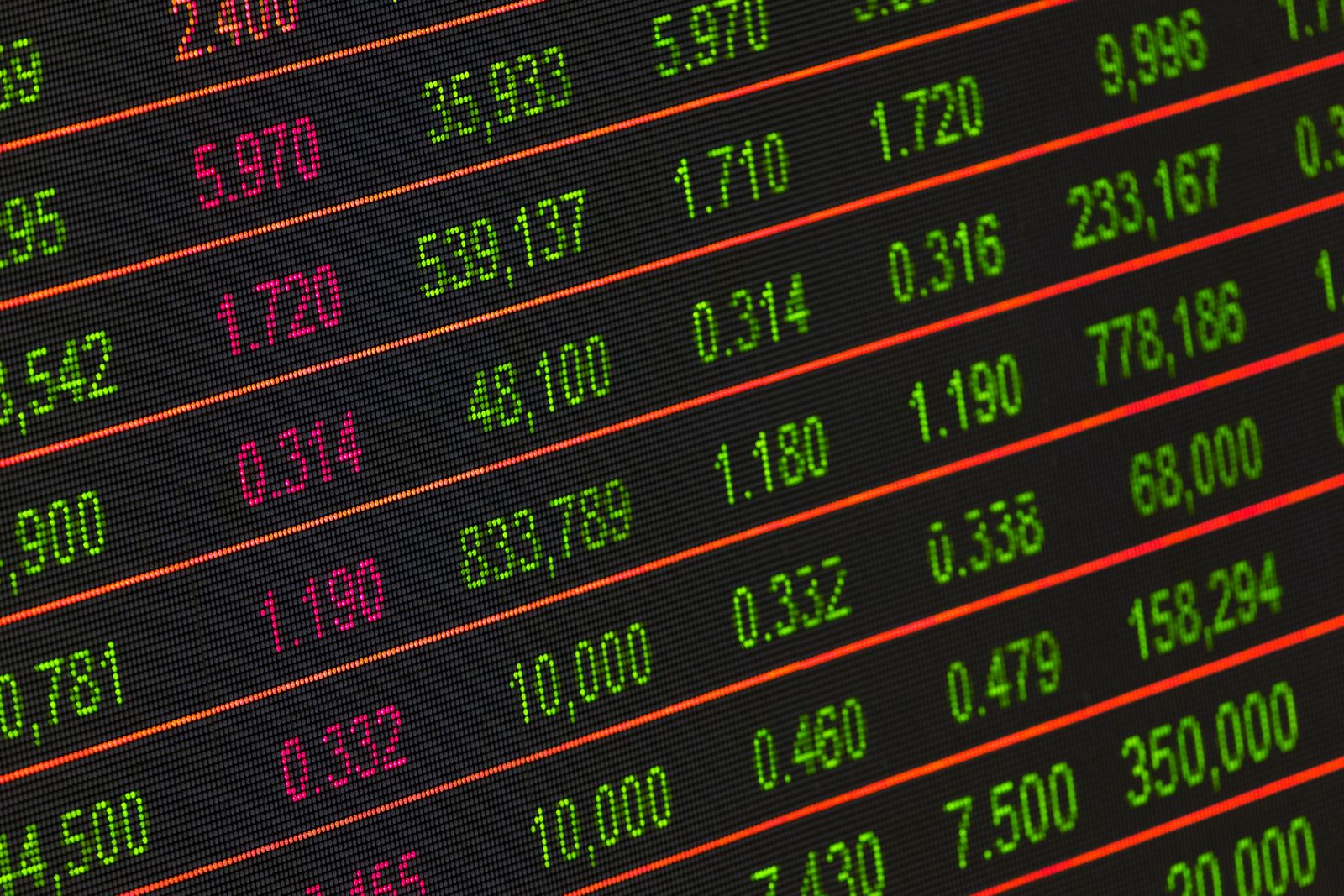
South Korea's benchmark KOSPI index cratered on Wednesday, plunging as much as 6.26% before dawn trading had even settled, forcing the Korea Exchange to freeze program-sell orders in the 25th emergency circuit-breaker of the year — a record pace of turmoil that has already outstripped the chaos of the 2008 global financial crisis.
The index opened down nearly 5% and cascaded to an intraday low of 6,432.57 points at 9:11 a.m. local time, before clawing back slightly to close down 5.8% at 6,471.17, a drop of 398.66 points, according to Investing.com. The rout was led by South Korea's crown-jewel chipmakers: Samsung Electronics tumbled roughly 7.8%, while SK Hynix — the world's dominant supplier of high-bandwidth memory chips for AI servers — sank nearly 9.7%. SK Square lost more than 11%, and Samsung Life Insurance dropped over 11%, as the pain rippled far beyond tech.
A market unraveling from record highs
The scale of the reversal is staggering. The KOSPI hit an all-time peak above 9,385 points on June 19 after a blistering rally fueled almost entirely by global AI-chip demand for Samsung and SK Hynix memory products. Since then it has shed close to a third of its value, and Wednesday's session marked the exchange's ninth full circuit-breaker-level event of 2026 alone — more sidecar halts in eight months than the KOSPI recorded in the entirety of 2008, according to market data reported by BigGo Finance.
Analysts pointed to a collision of pressures. The yield on 30-year US Treasury bonds surged to a 19-year high of 5.33% overnight, sending shockwaves through risk assets worldwide and making borrowing to fund speculative tech bets far more expensive. That came on top of mounting skepticism over whether hyperscale AI data-center spending can actually generate the returns investors have been pricing in, after a separate Nasdaq sell-off hit US chip and AI names. Foreign and institutional investors dumped a combined 4.8 trillion won (roughly $3.4 billion) worth of Korean shares in the session, while retail investors tried to catch the falling knife, buying a net 4.6 trillion won.
"Rising market rates and fading ceasefire hopes triggered concentrated profit-taking centered on semiconductor stocks," said Han Ji-young, an analyst at Kiwoom Securities, describing the mood on trading floors as investors rushed for the exits.
Every major sector on the exchange fell except construction and pharmaceuticals. Utilities and electronics were hit hardest, sliding 7.68%, while manufacturing, insurance, finance and securities all posted losses of between 4.5% and 6.4%, per figures relayed by the Rio Times' Asia Intelligence Brief.
Why it matters beyond Seoul
The KOSPI's gyrations matter well past South Korea's borders. Samsung and SK Hynix together supply the bulk of the world's advanced memory chips that power AI data centers from Silicon Valley to Shenzhen, meaning a crisis of confidence in Seoul reads as a referendum on the broader AI investment boom. South Korea's equity market, valued in the trillions of dollars, has become a bellwether that global fund managers watch closely for cracks in the AI trade before they show up on Wall Street.
The Bank of Korea and Korea Exchange officials have so far treated the sidecar halts as a technical circuit-breaker rather than a systemic crisis, and trading resumed normally within minutes each time program-sell orders were paused. Regulators have not announced emergency intervention, but market watchers say a further breach below the 6,400 level could trigger fresh capital-flight fears among foreign institutional holders.
For now, traders are bracing for more turbulence. With US Treasury yields still elevated and no clear catalyst to restore confidence in AI infrastructure spending, analysts say Korean chip stocks could remain the most volatile major-market bet in the world through the end of August. The next test comes when Wall Street reopens and traders see whether Wednesday's Seoul rout was a one-day panic or the start of a deeper correction.