HOME / WORLD / RIYADH, SAUDI ARABIA
Saudi Arabia Vows 'Firm' Response After Houthi Missiles and Drones Slam Three Cities in One Night
Ballistic missiles and drones tore into Khamis Mushait, Abha and Taif overnight, injuring 13 and wrecking homes — the latest strike in a widening war that has put the kingdom's south under near-daily fire.
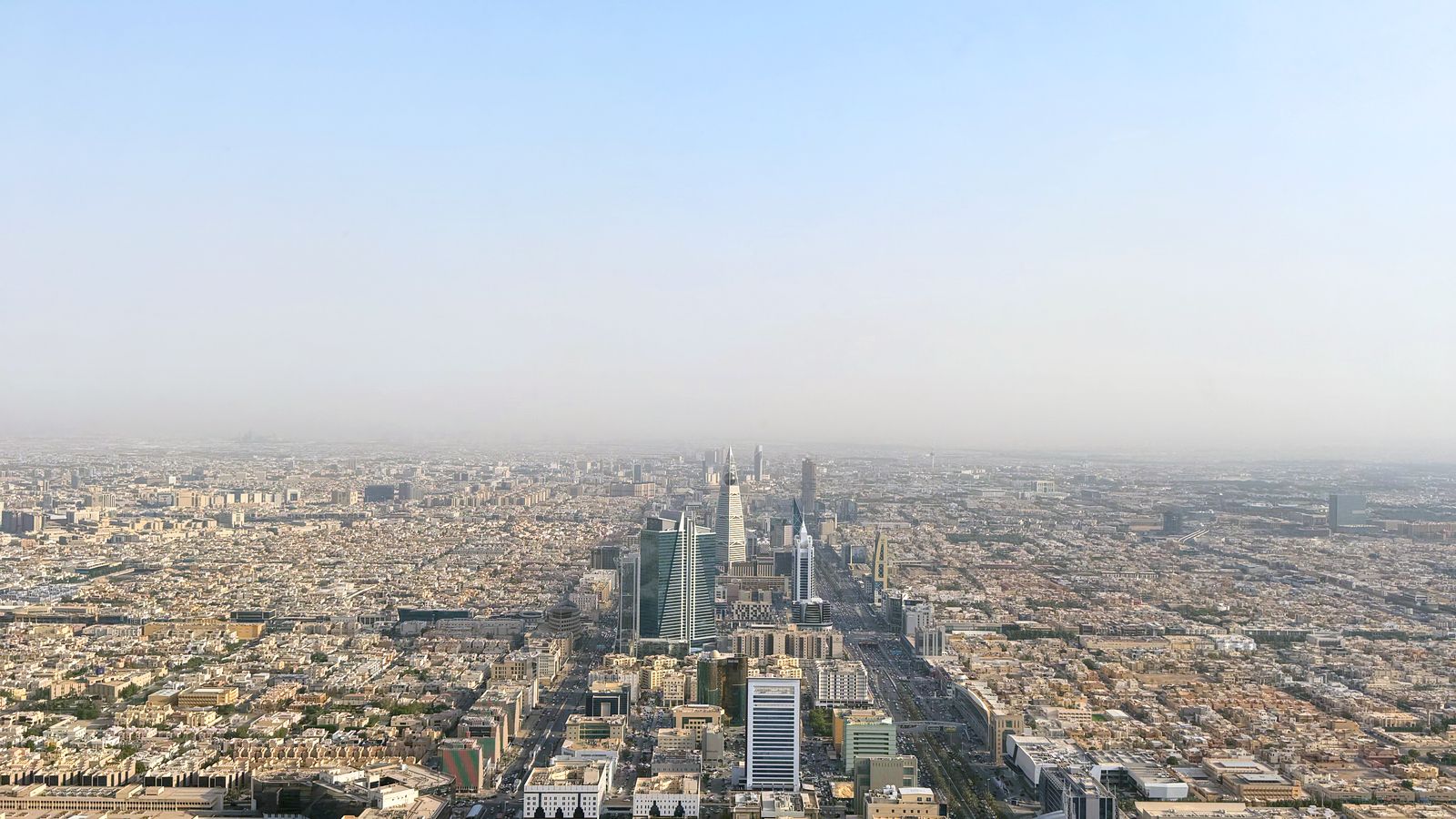
Air raid sirens rang out across southern Saudi Arabia before dawn Tuesday as Yemen's Houthi militia fired a barrage of ballistic missiles and explosive drones at three cities in a single night, wounding at least 13 civilians and damaging homes and vehicles in the kingdom's worst run of attacks in years.
The Saudi-led coalition said the strikes hit Khamis Mushait, Abha and Taif late Monday into Tuesday, with seven houses and two vehicles damaged and casualties described as minor to moderate. Warning alerts were also issued for Jeddah, Jazan, Yanbu, Makkah and AlUla as air defenses scrambled to track incoming fire, according to coalition officials.
Coalition spokesman Maj. Gen. Turki al-Malki said the Houthis "continue their heinous and deliberate attacks on civilian objects and civilians," and vowed the kingdom would respond "responsibly and firmly to protect the sovereignty of the Kingdom, civilian objects, and civilians." Riyadh answered with more than 50 retaliatory airstrikes on Houthi positions, according to reporting on the coalition's response — a tally the Houthis themselves confirmed.
"THE YEMENI RESPONSE WILL CONTINUE AND ESCALATE AS LONG AS THEY PERSIST IN THEIR AGGRESSION AGAINST OUR PEOPLE."
That warning came from Hazem al-Assad, a member of the Houthi politburo, underscoring that Tuesday's barrage was no one-off. Just a week earlier, a similar wave of Houthi missiles and drones injured more than 70 people across several Saudi towns and set fire to energy infrastructure, forcing a temporary halt at some sites.
A Truce Unraveling Fast
The renewed bloodshed marks a sharp break from the relative calm that had held in Yemen since a UN-brokered truce in 2022. That fragile peace collapsed in July, when the Iran-aligned Houthis declared a maritime and aerial blockade of Saudi Arabia and resumed direct attacks on the kingdom. In the weeks since, Houthi fighters have pushed along Yemen's Red Sea coast and seized control of the Bab al-Mandab Strait — one of the world's most critical shipping chokepoints — giving the group new leverage just as the wider region reels from disruptions to oil traffic through the Strait of Hormuz. Analysts and coalition officials describe the pattern as a major regional escalation, with the group increasingly targeting Saudi oil facilities alongside population centers, rattling energy markets already on edge.
Riyadh has so far avoided declaring the truce formally dead, but its language has hardened. Coalition officials have invoked Article 51 of the UN Charter — the right to self-defense — to justify continued strikes on Houthi military infrastructure inside Yemen, signaling Saudi Arabia is prepared for a longer fight if the attacks continue.
No group outside the Houthi movement has claimed the overnight strikes, and Iran, which backs the Houthis with weapons and training, has denied direct involvement in the latest operations. Saudi officials have not said whether they hold Tehran responsible for the specific barrage. For residents in Abha and Khamis Mushait — home to the kingdom's largest air base in the south — the immediate concern is simpler: getting through another night without the sirens sounding again.