HOME / WORLD / DUBAI, UNITED ARAB EMIRATES
Iran Says Four Tankers Hit Mines in Strait of Hormuz — on a Route the U.S. Calls Mine-Free
Tehran's military says a wave of tanker explosions over 24 hours struck a vital oil corridor, but it hasn't named a single vessel, and Washington says the claim doesn't add up.
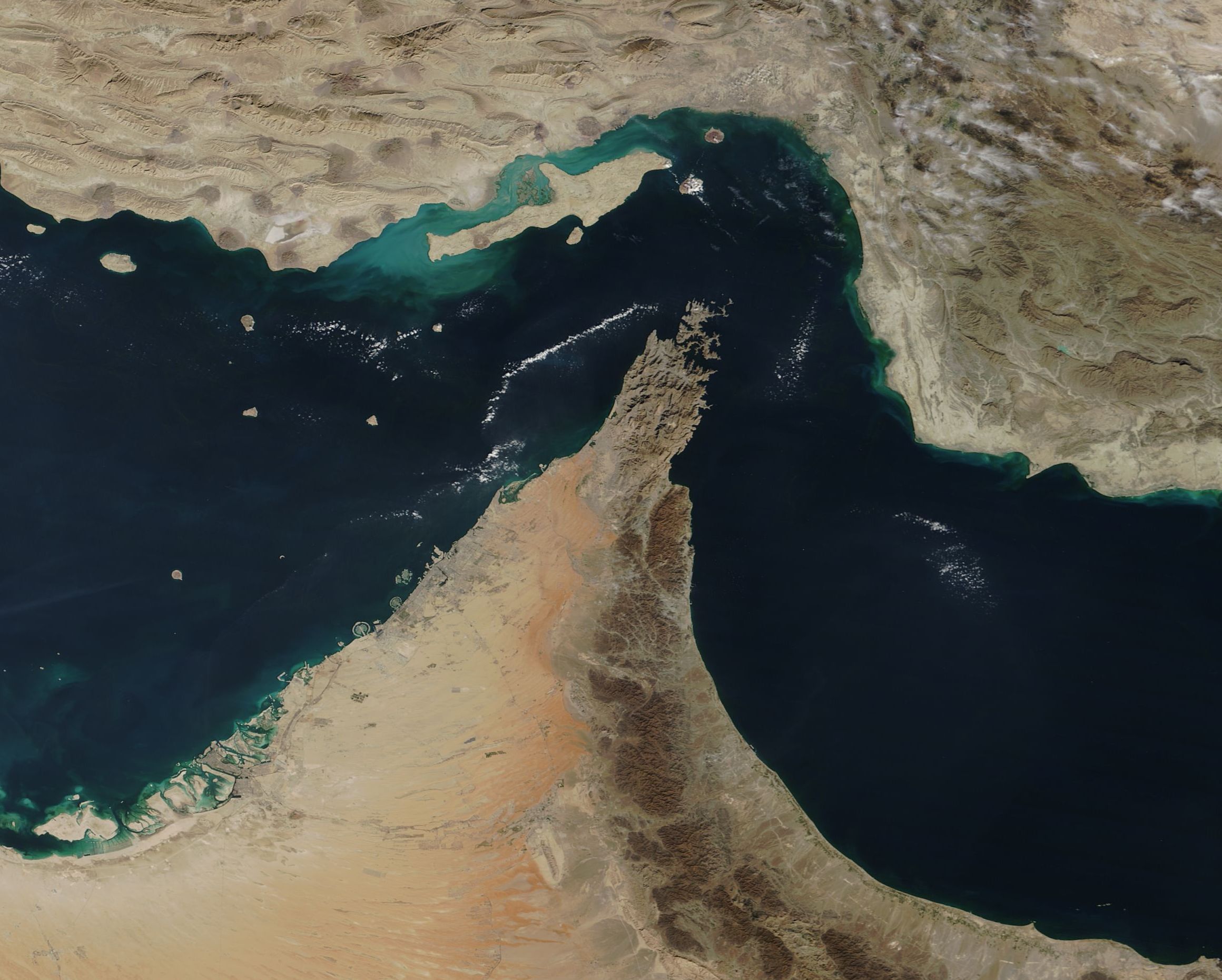
Iran's military says four oil tankers were struck by naval mines in or near the Strait of Hormuz over the past day, in a wave of claims that, if true, would mark one of the most serious escalations against shipping in the vital corridor in years — but which the United States and independent monitors have so far been unable to verify.
Iran's Revolutionary Guard said three tankers exploded and caught fire after striking mines while using what it called an "unauthorized route" through the strait, the narrow waterway through which roughly a fifth of the world's oil passes daily. Iran's army separately said a fourth tanker caught fire after hitting a mine east of the strait, and the Iranian navy described a tanker forced to halt operations after striking a mine in a "restricted zone" in the same area, according to reports from the region on Thursday and Friday.
None of the claims have named a single vessel, flag state or operator — an omission that has drawn open skepticism from analysts. One assessment called the pattern "strange," noting that Iran's own accounts of the incidents don't fully agree with each other on timing or location.
Washington pushes back
U.S. Central Command has said the internationally recognized transit routes through the strait remain free of mines, directly contradicting Tehran's account. Iran's Revolutionary Guard has, in turn, demanded that Washington produce independent evidence for that assertion rather than a bare denial. A UK maritime monitoring service said it had received a report of a vessel on fire while transiting the strait, but could not confirm whether that vessel matched any of the ones Iran described.
NONE OF THE CLAIMS HAVE NAMED A SINGLE VESSEL.
The dispute lands at a tense moment for the region. The strait has seen a string of unexplained attacks on commercial shipping this year, and this month's reports — regardless of how they're ultimately resolved — cap what regional security analysts are already calling the worst month for attacks on shipping there since tracking began. Oil markets, which had been relatively calm heading into the week, showed modest price gains in early trading on the reports, traders said, as shippers weighed whether to reroute vessels around the chokepoint.
The Strait of Hormuz, barely 21 miles wide at its narrowest point, has long been treated as a geopolitical pressure valve: a place where Iran can signal displeasure with Washington or its Gulf neighbors without firing a shot at a named target. Previous rounds of unattributed tanker incidents in the strait, dating back several years, were eventually tied by Western governments to Iranian naval mines or fast-attack boats, though Tehran has denied responsibility in nearly every case.
No casualties have been reported in connection with any of the four incidents Iran described, and no country has yet moved additional naval assets to the area in response. The U.S. Navy's Fifth Fleet, based in nearby Bahrain, said it was "monitoring the situation" but had not independently confirmed any mine strikes.