Houthi Rebels Storm Toward Yemen's Oil Fields as Red Sea Chokepoint Falls Under Rebel Control
Iran-backed fighters have seized a strategic Red Sea port and a string of islands near the Bab el-Mandeb strait, reigniting Yemen's civil war and rattling global oil markets just as they turn their sights on the country's oil-rich east.
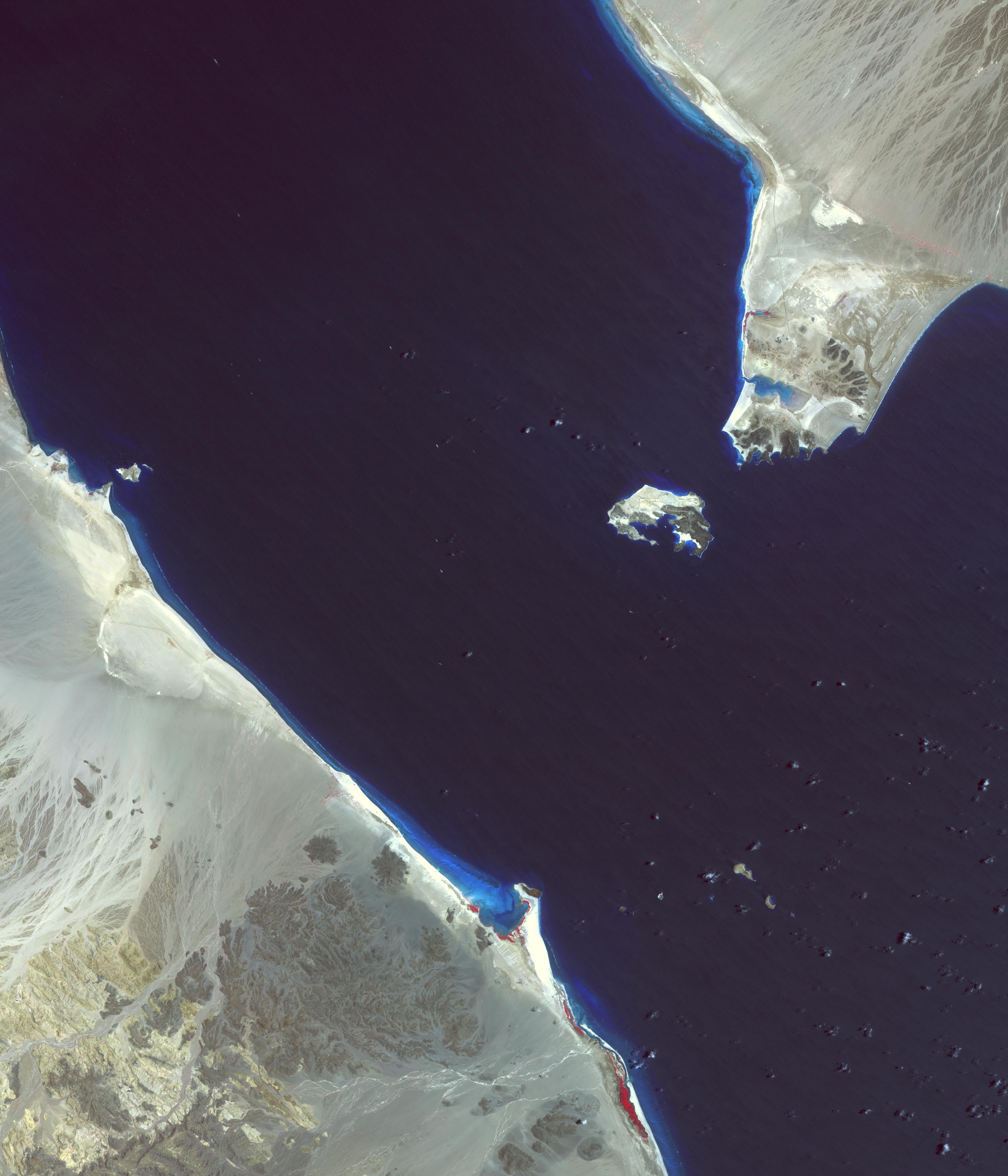
Yemen's Houthi rebels have pulled off their biggest territorial advance in years, seizing the Red Sea port city of Mokha and a cluster of islands near the Bab el-Mandeb strait — one of the world's most vital shipping chokepoints — in an offensive that has reignited the country's 12-year civil war, according to NPR and the Associated Press.
The Iran-backed group's gains put it in control of territory just 20 miles from Djibouti, a small African nation that hosts U.S. and other foreign military bases, and give it a grip on waters through which roughly 12% of world trade passes in peacetime. The advance has already displaced more than 112,000 people inside Yemen, with nearly 3,000 fleeing by sea to Djibouti, while the International Organization for Migration has separately reported over 85,000 forced from their homes since the start of September as fighting also intensified around the inland city of Marib.
Oil Markets Rattled
The offensive has collided with an already jittery energy market. Saudi Arabia was forced to shut down its East-West pipeline — which normally carries around 4 million barrels of oil per day, about 4% of global supply, as a workaround for the Strait of Hormuz — after drone strikes blamed on Iran-backed militias damaged infrastructure near Riyadh and Medina. Brent crude futures spiked above $109 a barrel before settling back near $105, according to CNBC and The Hill, as traders weighed the combined threat of the pipeline outage and Houthi control of the strait.
Yemen's civil war, which has killed more than 150,000 people and repeatedly pushed the country to the edge of famine since it began in 2014, had been in a fragile lull for much of the past year. That calm has now collapsed. Government-aligned forces, backed by Saudi Arabia, launched a counteroffensive around Marib and Hadramout in what Al Jazeera described as the first such retaliation in months, even as Washington has ruled out direct U.S. military involvement.
A Middle East analyst quoted by Al Jazeera warned the escalation carries "a looming possibility" of tipping Yemen back into full-scale war.
Analysts note the Houthis now appear to be eyeing Yemen's oil-rich eastern provinces, territory currently held by a patchwork of Saudi-backed government factions that were themselves fighting one another as recently as January — a fractured defense that could make further rebel gains easier.
For ordinary Yemenis, the renewed fighting has meant another wave of displacement layered onto more than a decade of war, hunger and disease. Humanitarian groups warn that a further rebel push into the east could choke off what remains of the country's oil revenue, deepening a crisis the United Nations has repeatedly called one of the world's worst.
With Saudi Arabia's pipeline expected to remain offline for weeks and the Houthis showing no sign of halting their advance, both the war and its ripple effects on global fuel prices appear likely to intensify in the days ahead.