Congo and Rwanda Return to Geneva as Year-Old US Peace Deal Hangs by a Thread
Delegations from Kinshasa and Kigali sit down Wednesday to test a Washington-brokered accord that neither side has fully honored, while their armies keep trading fire in eastern Congo's Kivu provinces.
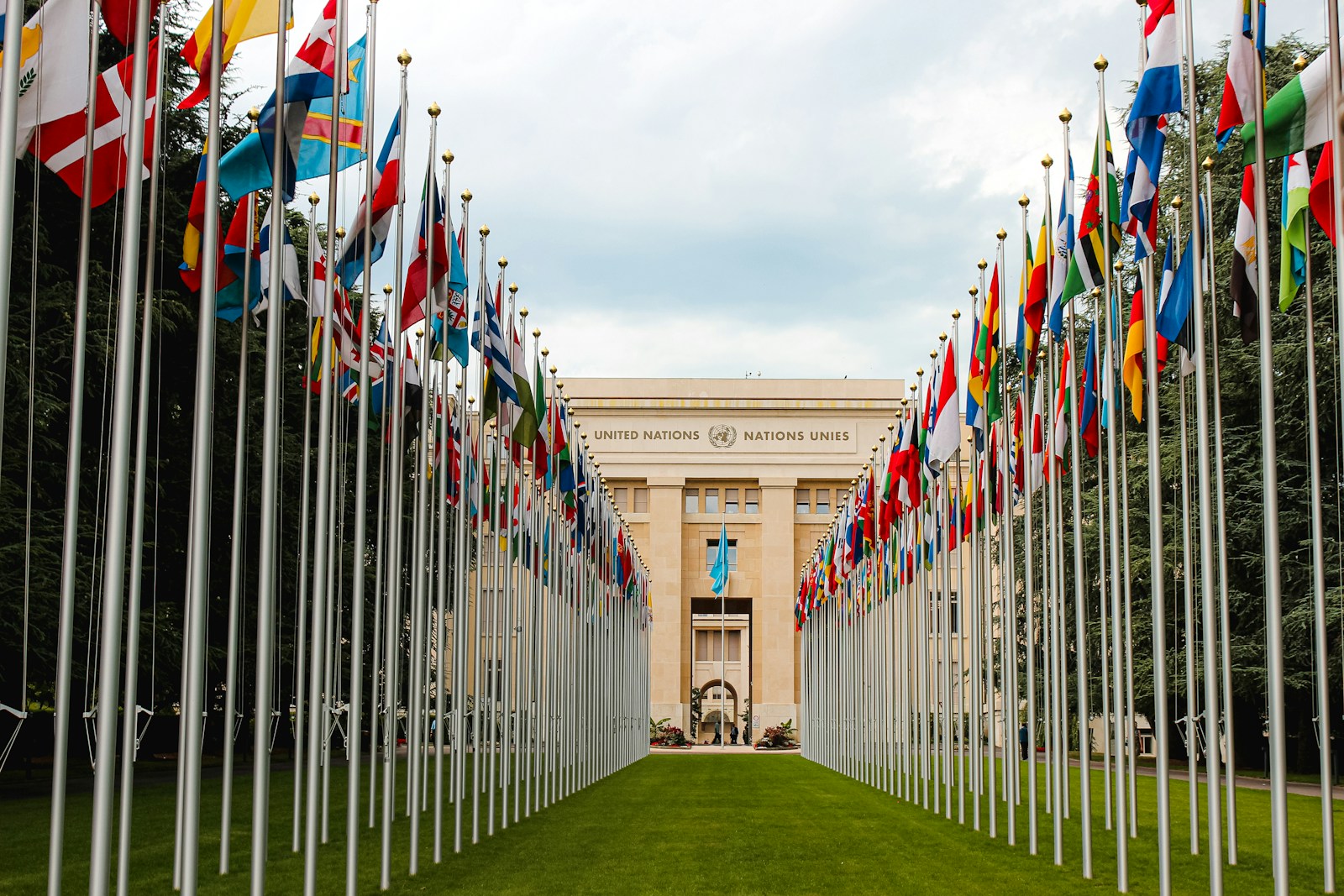
Diplomats from the Democratic Republic of Congo and Rwanda arrive in Geneva on Wednesday for a two-day session that could determine whether a US-brokered peace framework survives another season of broken promises and gunfire in eastern Congo. The talks, first reported Tuesday by Al Jazeera and confirmed by Rwanda's state-linked The New Times, mark the seventh round of the Joint Security Coordination Mechanism set up after the two governments signed a peace agreement in Washington in June 2025.
The math has not worked out so far. Kinshasa committed to neutralizing the FDLR, a Rwandan Hutu militia with roots in the 1994 genocide, while Kigali agreed to pull back troops and lift what it terms defensive measures along the border. More than 15 months later, neither obligation has been declared complete. The sixth JSCM meeting, held in the same Swiss city on August 12-13, produced only an agreement to "strengthen monitoring and verification" of the accord on the ground — diplomatic language for admitting the previous round hadn't stuck either.
Fighting continues despite the paperwork
The Geneva talks unfold against a backdrop of active combat. Congolese forces and M23-aligned Twirwaneho fighters clashed in the South Kivu highlands this month, with additional skirmishes reported around Kaniola in early September, according to conflict trackers cited in Critical Threats Project briefings. Both armies have leaned increasingly on armed drones, a shift that has pushed up civilian casualties across North and South Kivu even as negotiators talk peace in Europe.
A parallel track hasn't fared much better. A separate framework signed in Doha in November 2025 between Kinshasa and the Rwanda-backed M23 rebel alliance was meant to produce eight protocols covering everything from prisoner releases to state authority. Only two have been finalized, according to the United Nations' Security Council Report's September forecast on the DRC, which described six protocols as still unresolved heading into this month.
Two central obligations under the Washington process — neutralizing the FDLR and Rwanda lifting its defensive measures — had yet to be declared complete.
Mediators from the United States, Qatar, Togo and the African Union Commission are expected to sit in on the Geneva session, continuing a crowded diplomatic effort that has struggled to translate signatures into a ceasefire that holds. Rwanda has accused Congo of stalling on the FDLR by pursuing negotiated disarmament rather than the forced dismantling the accord specifies; Kinshasa counters that Kigali continues to arm and support M23, an allegation Rwanda denies. Five of the six areas where the FDLR is believed to operate currently sit outside Congolese government control, a practical obstacle that has made the disarmament pledge more document than operation.
The eastern DRC's broader toll remains staggering — the UN's 2026 humanitarian plan for the country called for $1.4 billion to reach nearly 15 million people. No breakthrough is guaranteed this week, but a fresh trilateral planning conference with Washington is expected to follow in October, giving both sides a deadline to show the Geneva talks produced more than another joint statement.