Brussels Blindsides Trump: EU Chief Offers Canada "Associate Member" Status — Complete With a Kiss on Both Cheeks
In a stunning on-stage overture, European Commission President Ursula von der Leyen invited Canada to become the EU's first-ever "associate member" — and Prime Minister Mark Carney answered with a hug and a kiss as Trump's tariff war pushes Ottawa toward Brussels.
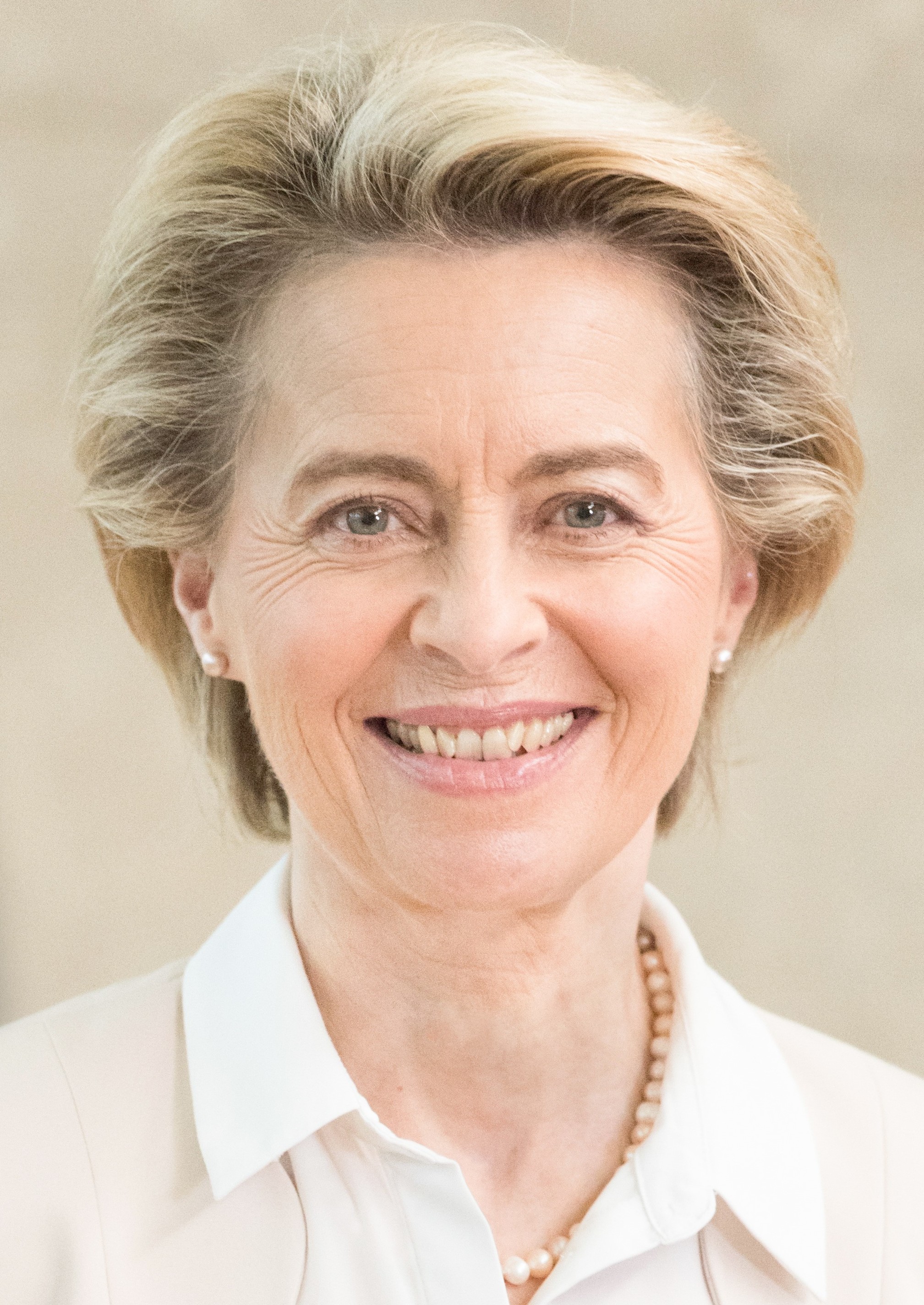
Europe's Ursula von der Leyen dropped a genuine surprise into her annual State of the Union address on Wednesday: an invitation for Canada to become the European Union's first-ever "associate member," delivered directly to Prime Minister Mark Carney as he sat in the chamber as her guest. "I would like to work with you on opening the door for Canada being the first associate member of the EU," von der Leyen told Carney, who rose from his seat, embraced her and kissed her on both cheeks as lawmakers erupted into a standing ovation.
The moment capped months of Carney courting Brussels while President Donald Trump's tariffs hammer Canadian steel, aluminum, autos and lumber — and while Trump periodically floats making Canada the "51st state." Roughly 70% of Canadian exports still flow south to the United States, but von der Leyen framed the offer as a chance to evolve the decade-old CETA free-trade pact into what she called "an alliance for the future," touching manufacturing, a joint tech alliance, integrated defense industries, AI cooperation and an Arctic "flagship" project.
"I would like to work with you on opening the door for Canada being the first associate member of the EU." — Ursula von der Leyen, addressing Mark Carney before the European Parliament
No such status has ever existed
Carney himself had stopped short of asking for anything like membership, previously calling only for a "unique alliance" with the bloc — meaning von der Leyen's on-stage offer went further than Ottawa had publicly floated. No EU country has ever held "associate member" status, and turning applause into policy won't be simple: it would require unanimous sign-off from all 27 EU capitals plus domestic ratification in each, and officials say several governments were blindsided by the announcement. France has pushed to keep defense production inside Europe rather than open it to North American partners, while Germany has resisted further banking-sector integration — both signals of the resistance von der Leyen could face turning a photogenic pledge into treaty text.
Skepticism surfaced fast on both sides of the Atlantic. One Canadian trade scholar told local media the gesture amounts to "a photo opportunity with no economic effect" unless it's backed by binding legal changes, while some in Ottawa worry that visibly tilting toward Brussels could further strain ties with Canada's largest trading partner next door. The EU has no existing legal category resembling "associate membership" for a full democracy like Canada, meaning commission lawyers and the European Council will effectively have to invent the mechanism from scratch — a process likely to take years, not months.
Still, the optics were hard to miss: a sitting European Commission president publicly wooing a G7 partner away from Washington's orbit, cheek-kiss included, at the exact moment Trump's tariffs are scrambling old alliances. Von der Leyen told the chamber the EU wants "to bring the relationship with Canada to the highest level possible." For now, Carney flies home with a headline-grabbing embrace and no signed paperwork — while von der Leyen has a fresh talking point in her broader push to diversify Europe's partnerships beyond an increasingly unpredictable United States.