Trump Orders Federal Contractors to Clear Congress Requests With the White House First — Democrats Call It Unconstitutional
The order lands weeks before Democrats take over both chambers with subpoena power and a long list of targets — and it's already drawing fire as an unprecedented power grab.
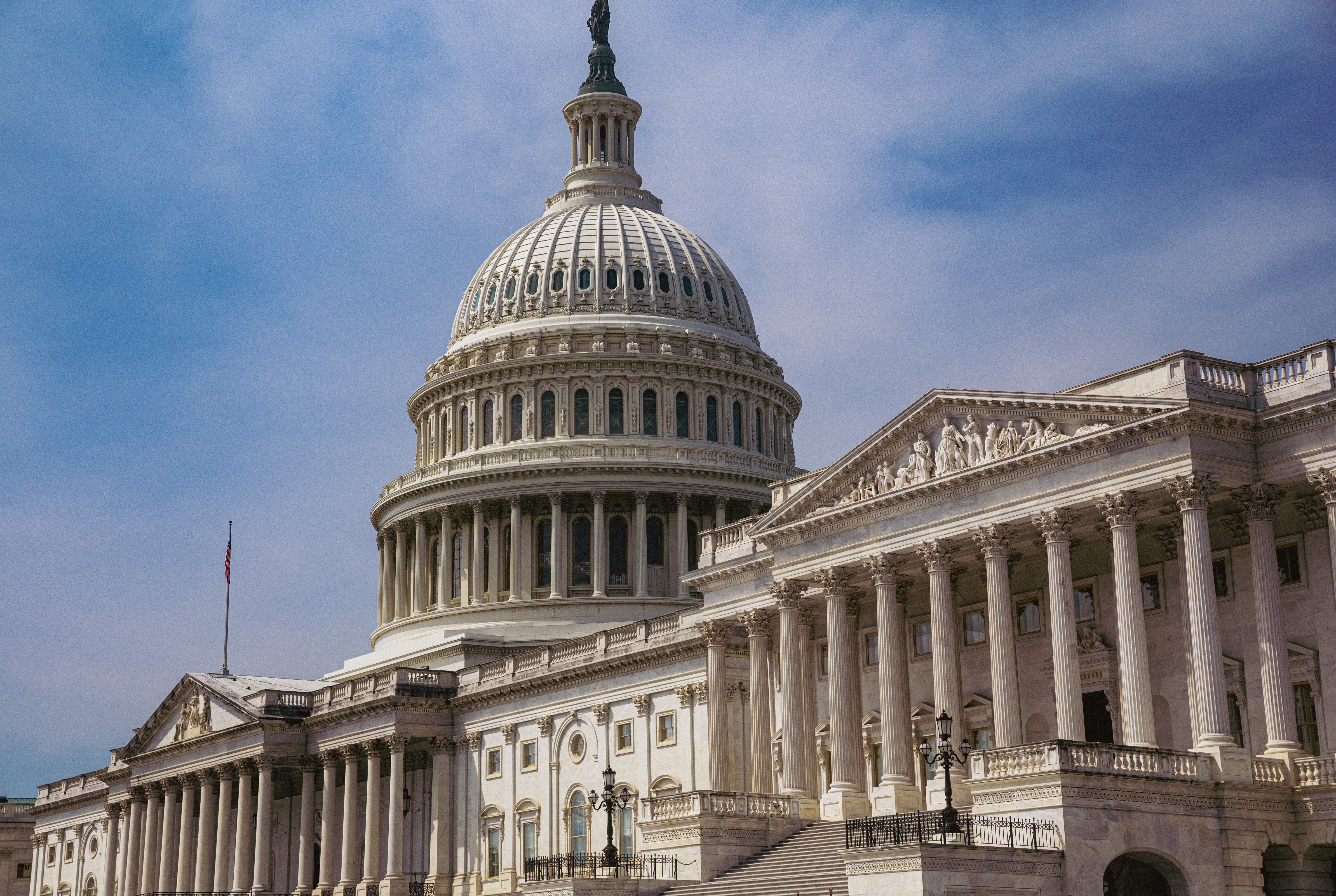
President Trump signed an executive order late last week directing tens of thousands of federal contractors and subcontractors to notify the White House and their contracting agency any time they receive a request for information from Congress, coordinate "appropriate responses" with the administration, and withhold any material the White House deems covered by executive privilege. Companies that don't comply risk having their federal contracts terminated or being suspended from future government work.
The order lands just weeks before Democrats take control of both chambers of the new, 120th Congress on Jan. 3 — their largest House majority since 1992, at 258 seats, plus a 56-seat Senate majority — and promise a wave of oversight investigations into the administration, Trump family businesses, and federal contracting, including Pentagon work tied to Trump-linked companies.
"Blatant criminality," or legitimate privilege?
The White House frames the order as a defense of long-recognized executive privilege against what it calls congressional "harassment" of private companies that do business with the government. In a fact sheet, the administration said the order is "protecting executive privileges from congressional overreach." The move follows a Nov. 9 letter from White House counsel Will Scharf to incoming House Oversight Chair Rep. Robert Garcia, D-Calif., warning that overly aggressive investigations could amount to "blatant criminality." Defense and technology contractors in particular — many of whom rely on federal work for a significant share of revenue — are now weighing a difficult calculus: comply with the order and risk being seen as stonewalling Congress, or respond to lawmakers and risk their contracts.
Democrats call it something else entirely. Incoming House Judiciary Chair Rep. Jamie Raskin, D-Md., described the contractor order as "totally unprecedented and blatantly unlawful," according to AP reporting.
"CONGRESS' AUTHORITY COMES FROM ARTICLE I OF THE CONSTITUTION, NOT FROM THE PERMISSION OF THE WHITE HOUSE." — Rep. Robert Garcia
Garcia, who is slated to chair the Oversight Committee, called the order "a blatant attack on Congress' constitutional right to conduct oversight." Democrats have already sent letters directing Trump family members Donald Trump Jr. and Eric Trump, Chief of Staff Stephen Miller, former chief of staff Susie Wiles and Vice President JD Vance to preserve documents ahead of planned probes into federal contracting, pardons, cryptocurrency deals and the Epstein files.
Executive privilege claims are nothing new — presidents of both parties have invoked them against congressional inquiries for decades — but the privilege isn't absolute, and claims typically trigger prolonged legal fights rather than settling the question outright. What's unusual here, legal scholars and Democrats argue, is directing an entire category of outside companies, rather than executive-branch officials themselves, to route congressional communications through the White House first.
Congress is on Thanksgiving recess, and a government funding deadline looms Dec. 11, so a legal or political showdown over the order is unlikely to come to a head immediately. But once Democrats hold the gavels in January, a court fight over the order's legality — and over whether contractors who comply anyway can be compelled to testify or hand over documents regardless — looks all but inevitable. The order is already being cited by Democratic aides as an early marker in what's expected to be a bruising two years of divided government.