Judge Unseals 160 Pages From the Ilhan Omar Raid Probe — But the Case Against Her Stays Sealed
A federal judge released more than 160 pages of court records tied to October's FBI search of Rep. Ilhan Omar's home, exposing a sprawling probe into alleged crimes dating back to 1980 — while the affidavit that explains what agents were actually looking for stays locked away.
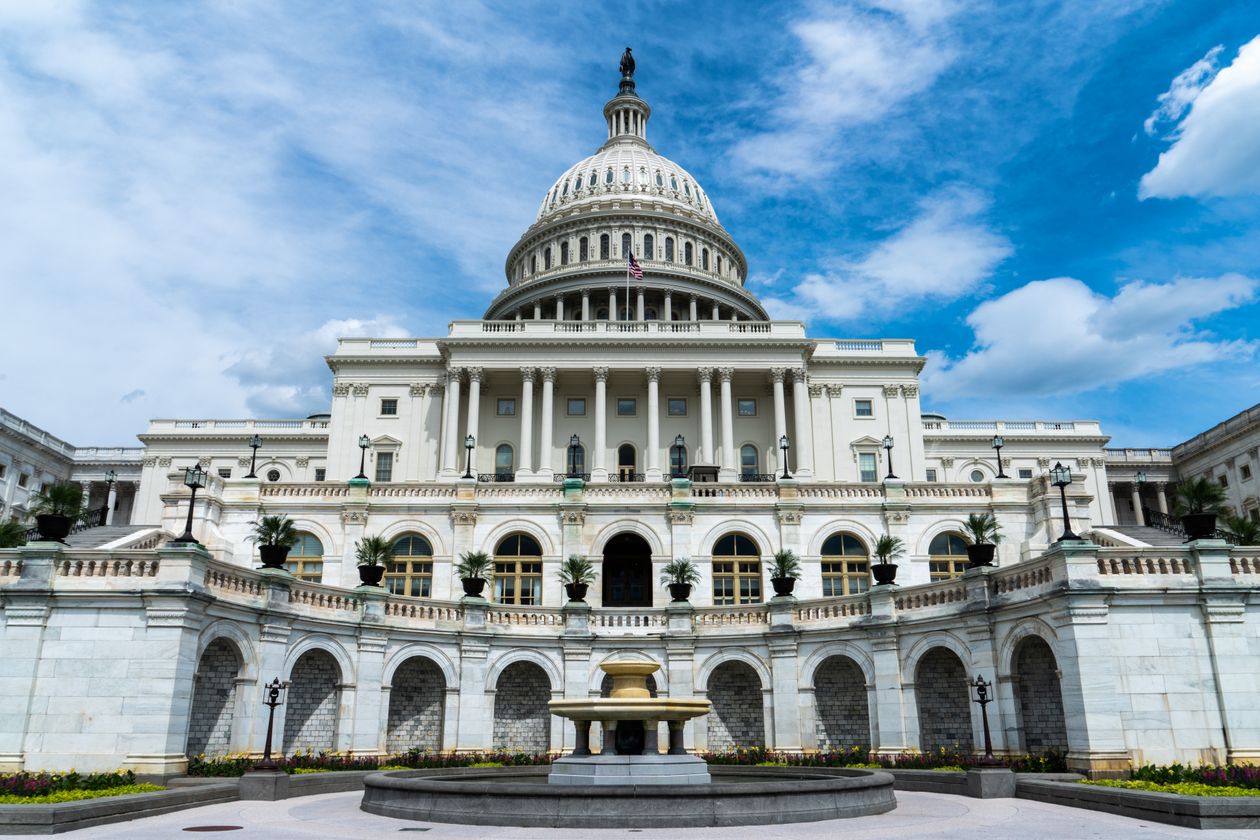
A federal judge on Monday unsealed more than 160 pages of court records tied to the FBI's October search of Rep. Ilhan Omar's Washington home, pulling back part of the curtain on a Justice Department investigation the Minnesota Democrat has called political retaliation.
Chief U.S. District Judge James Boasberg ordered the release after a coalition of 14 news organizations — including NBC News and the Associated Press — petitioned for access. The documents don't include the search warrant itself; the 67-page affidavit laying out the government's probable cause remains sealed, and roughly half of what was released is blacked out.
What the papers show
According to the unsealed filings, Magistrate Judge Matthew Sharbaugh pressed the Justice Department for repeated briefings on its probable-cause theory before signing off, and prosecutors told him the underlying affidavit went through "several rounds" of revisions. Sharbaugh also found that the "speech or debate" clause protecting lawmakers was at least partly relevant, since agents were searching a sitting member of Congress's house — which triggered special search procedures.
The planned seizure list covered papers, thumb drives, computers, cellphones and other devices, but the specific violations under investigation are redacted throughout. Per NBC News' review of the filings, the alleged conduct spans "1980 to the present" — decades before Omar, 44, entered politics and even before she was born, according to her own congressional biography, which lists her birth in October 1982. People familiar with the investigation told NBC News it centers on potential immigration-related crimes; Omar is a naturalized U.S. citizen who came to the United States as a child refugee from Somalia.
"AN ATTEMPT TO TARGET POLITICAL ENEMIES AND WEAPONIZE FEDERAL LAW ENFORCEMENT."
That's how Omar has described the October 12 search, during which agents hauled boxes of material out of her home and seized her phone, laptop, notebooks and passport — 17 items in all, by her own account. She has not been charged with any crime.
A Justice Department associate deputy attorney general, Alessandra Serano, wrote in the filings that the government believes Omar committed crimes "beginning long before she was ever in Congress," and insisted nothing in the warrant materials ties the case to her official duties. The records also connect to the long-running "Feeding Our Future" fraud case, Newsweek reported, pointing to payment records allegedly showing businesses linked to that $250 million scheme paying the wife of one of Omar's district aides between 2020 and 2021 — a claim Omar's office says it will seek answers on, and which has not been presented as established fact against Omar herself.
President Trump has denied directing the search, which landed weeks before the midterm elections as Omar sought reelection. The 14 outlets that sued for access have until November 30 to respond to the government's proposed redactions, meaning more of the file could still surface in the weeks ahead — though the core question of exactly what agents were hunting for remains, for now, under seal.