OPEC+ Holds the Line on Oil Output Again as Group Nears a Bigger Fight Over 2027 Shares
The alliance kept November production unchanged for a second straight month, buying time before producers tackle a thornier battle over how barrels get divided starting in 2027.
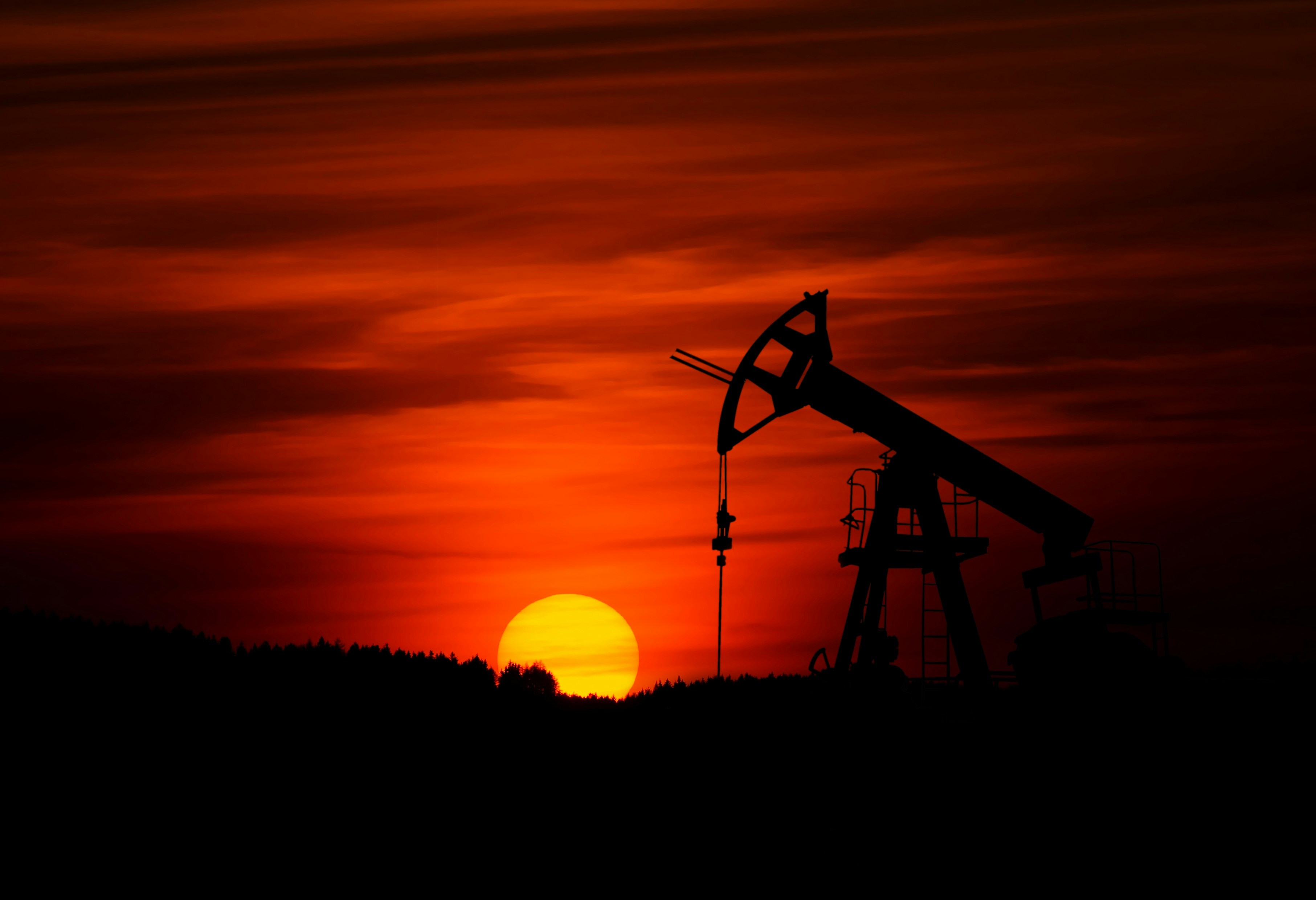
Eight OPEC+ producers agreed earlier this month to leave oil output unchanged for November, extending a pause that began in October after four consecutive months of production increases. The group — Saudi Arabia, Russia, Iraq, the United Arab Emirates, Kuwait, Kazakhstan, Algeria and Oman — confirmed at its Oct. 4 meeting that combined quotas for the eight participating countries would hold at roughly 31.01 million barrels per day, according to OPEC's own statement and wire coverage of the decision.
The group's next monthly review lands Saturday, Nov. 1, when ministers are expected to decide whether to extend the freeze into December or resume the gradual unwinding of the voluntary cuts several members adopted last year. Enerdata's analysis of the October decision described the pause as giving the alliance more time to assess how much of the output already returned to the market has actually reached buyers, amid ongoing supply disruptions in several member states.
A bigger fight is coming
The near-term holding pattern is unfolding alongside a much thornier conversation: how OPEC+ divides production allocations starting in 2027. Several delegates have signaled that negotiations over each country's baseline share — a perennial source of friction within the cartel, especially for members like Kazakhstan and Iraq that have periodically exceeded their quotas — are intensifying behind the scenes even as the group projects unity on the public, month-to-month decisions.
HOLDING STEADY, FOR NOW
Oil markets have largely shrugged off the November decision, since it matched what traders and analysts had broadly expected heading into the meeting. The bigger question hanging over crude prices into year-end is less about OPEC+'s next monthly tweak than about how the group ultimately resolves the 2027 allocation fight, which could reshape how much each member is entitled to pump once the current round of voluntary cuts fully unwinds.
For now, the group's caution reflects a broader balancing act: members have spent much of 2026 easing supply back into a market that absorbed it without a major price collapse, but few inside the alliance want to test that tolerance further while the allocation talks remain unsettled. Saturday's meeting will be watched less for a surprise than for any language ministers use about how those 2027 talks are progressing.