HOME / BUSINESS / REDMOND, WASH.
Microsoft Taps Bond Markets for $25 Billion — Its Biggest Debt Sale in Almost a Decade — to Help Cover Its AI Habit
The company hasn't sold this much US debt in more than nine years. The money is going toward the data centers powering its AI buildout.
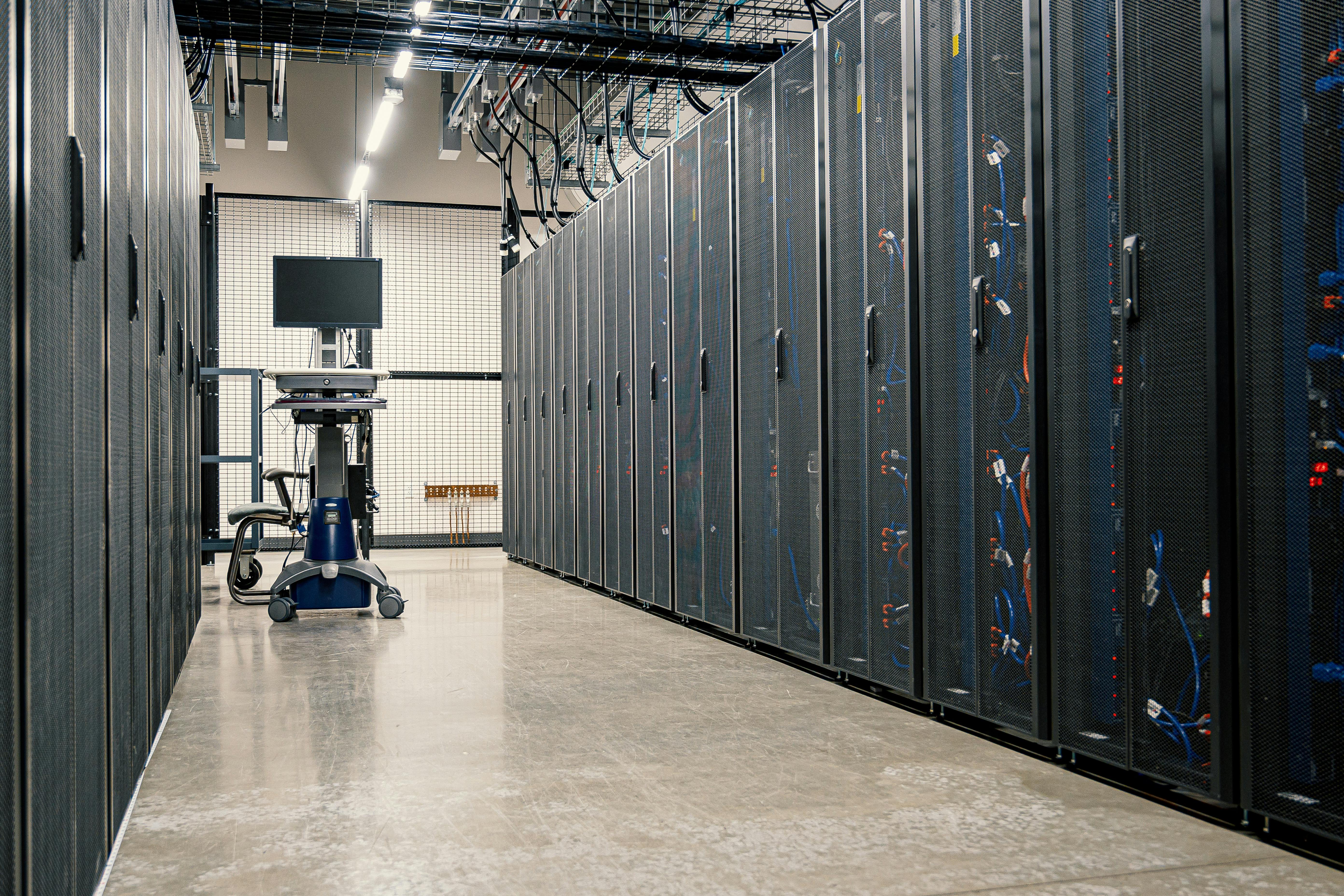
Microsoft moved to raise at least $25 billion in U.S. investment-grade bonds this week, according to multiple reports, in what would be the company's largest debt sale in more than nine years — financing aimed squarely at the data centers underpinning its artificial intelligence ambitions.
Bloomberg reported the offering would be split across as many as 10 tranches with maturities ranging from two to 40 years, with the final size subject to change based on investor demand. Wells Fargo, JPMorgan Chase and UBS are managing the sale, according to a Reuters report.
The timing wasn't an accident. The bond sale landed a day after Microsoft reported quarterly earnings, when Chief Financial Officer Amy Hood told investors the company would turn to outside funding sources "when we believe it is attractive to do so." Bloomberg News framed the sale as Microsoft's first major U.S. bond offering in roughly nine years.
Reuters described the move as part of a broader pattern: large technology companies increasingly leaning on debt markets, not just cash on hand or stock, to fund the enormous capital costs of building out AI infrastructure. Microsoft has poured tens of billions of dollars into data centers and cloud capacity to keep pace with demand tied to its OpenAI partnership and its own Copilot and Azure AI products.
Microsoft did not confirm the exact size of the offering when contacted by Reuters, pointing instead to a regulatory filing confirming the sale without disclosing its scale. A separate market-data summary noted the company had not finalized how much it would ultimately borrow as of the offering's launch.
The sale adds Microsoft to a short list of companies capable of borrowing tens of billions of dollars on favorable terms, a reflection of its strong credit standing even as it ramps up spending. For a company that has mostly funded itself through cash flow and stock buybacks in recent years, returning to the bond market at this scale is itself a signal of how costly the AI race has become. The company has said it expects to keep generating positive free cash flow for the current fiscal year, suggesting the move is a financing choice rather than a sign of strain.