Ford Rebukes Trump Official's Demand to Sever China Ties, Stock Slides
Transportation Secretary Sean Duffy told Ford to cut ties with Chinese partners CATL and Geely over national-security concerns; Ford called the letter a "wrongheaded" headline grab, and shares fell as the spat escalated.
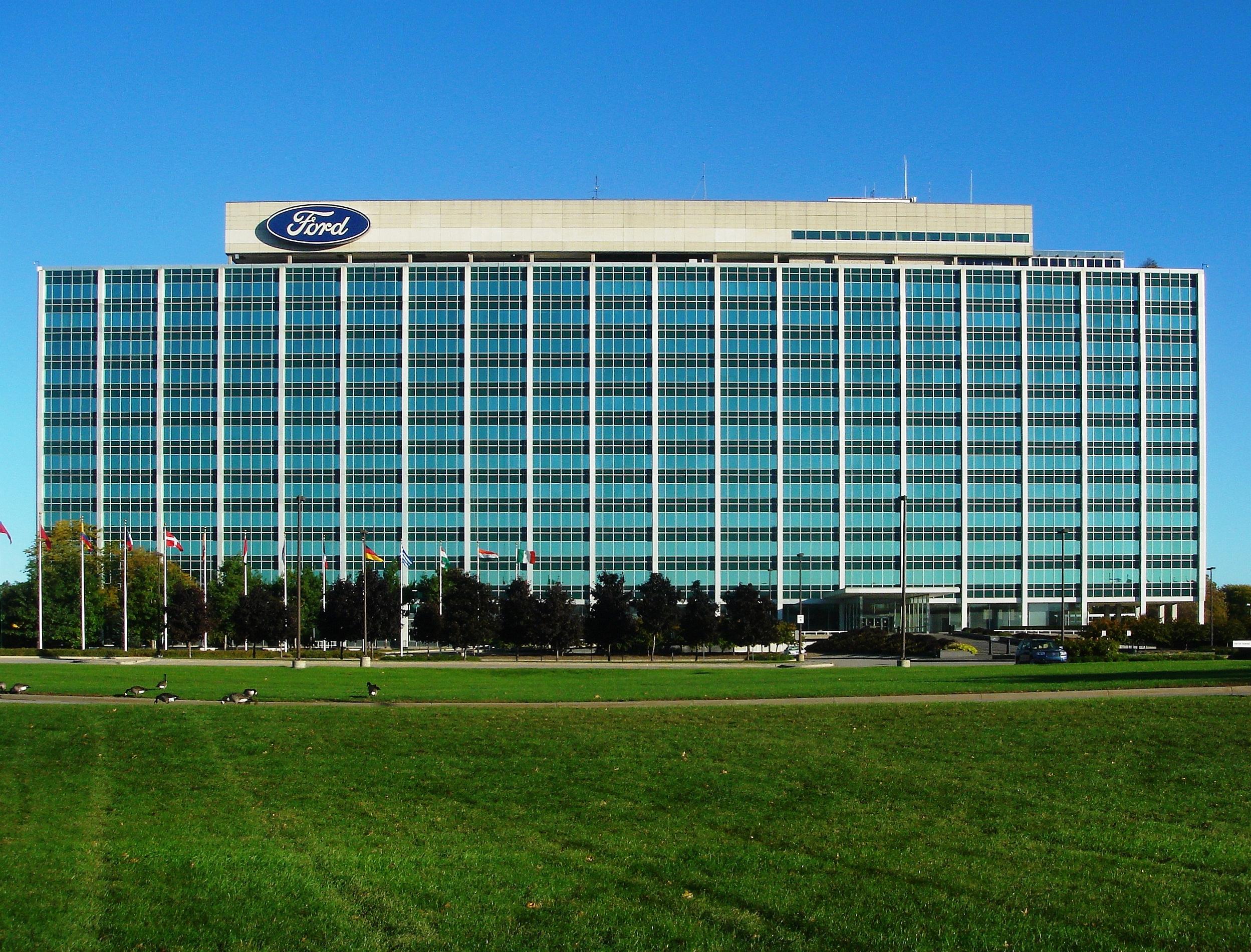
Ford Motor Co. and the Trump administration are in an open feud over the automaker's business ties to China, after Transportation Secretary Sean Duffy demanded the company sever its relationships with Chinese battery maker CATL and Chinese automaker Geely, and Ford fired back that the criticism was a "wrongheaded attempt to capture headlines."
Duffy sent a letter to Ford CEO Jim Farley on Tuesday saying the Department of Transportation remains "deeply alarmed" by Ford's reliance on licensed battery technology from Contemporary Amperex Technology Co., or CATL, at Ford's BlueOval Battery Park in Marshall, Michigan. CATL sits on the Pentagon's list of companies it says have ties to China's military. Duffy also flagged a new Ford-Geely joint venture to build low- and zero-emission vehicles at Ford's plant in Valencia, Spain, calling it a move that "helps strategic adversaries secure a vital foothold in Western markets," and criticized Ford's plan to keep building Lincoln Nautilus SUVs in China until 2030 before shifting production stateside.
Ford pushed back hard. Spokesman Mark Truby said the CATL arrangement is "a limited technology-licensing and services agreement, not a joint venture or foreign-owned manufacturing operation," and noted the Marshall, Michigan plant is Ford-owned, Ford-operated and expected to employ roughly 1,700 American workers. The company said Duffy's office never reached out before going public with the letter.
Politics Pile On
The letter quickly drew Republican lawmakers into the fray. Senator Rick Scott praised Duffy for "sounding the alarm about Ford's risky ties to CCP companies," while Representative John Moolenaar, who chairs the House committee on China, said Ford "should work with our nation's allies, not our adversaries." The House Select Committee on China posted side-by-side comparisons of Ford's public statements against its Chinese partnerships on social media, according to a Reuters report carried by Yahoo Finance. China's embassy in Washington countered that business cooperation "should not be politicized."
"Ford should work with our nation's allies, not our adversaries," Rep. John Moolenaar said of the company's dealings with CATL and Geely.
The White House itself struck a softer tone than its own transportation secretary, with a spokesperson calling Ford "a GREAT American company" even as Duffy kept up the pressure. Ford shares slid roughly 4%, to about $13.45, in Wednesday trading as the public dispute unfolded, per wire reporting on the standoff.
The clash underscores a broader tension for Detroit automakers: Chinese firms dominate global battery supply chains and EV cost curves, making licensing deals like Ford's CATL agreement attractive even as Washington pushes companies to decouple from Chinese technology on national-security grounds. Ford has previously touted the Michigan battery plant, first announced in 2023, as a way to build lower-cost lithium-iron-phosphate batteries domestically using licensed CATL know-how rather than a joint venture.
Neither side has signaled a resolution. Duffy's letter did not threaten specific regulatory action, but it raises the prospect of further scrutiny of Ford's China dealings from Congress and the administration as automakers continue to lean on Chinese battery technology to compete on price. Farley has not personally responded to Duffy beyond the company statement, and it remains unclear whether the dispute will affect Ford's investment plans in Michigan or Spain.