Saudi Arabia Reopens Riyadh's Main Airport — Hours Before Houthi Missiles Rain Down Again
After a two-week shutdown triggered by a deadly Oct. 10 strike, King Khalid International reopened Sunday — just as Yemen's Houthi rebels fired a fresh barrage of missiles and drones toward Riyadh, Khamis Mushait and the approaches to Mecca and Medina.
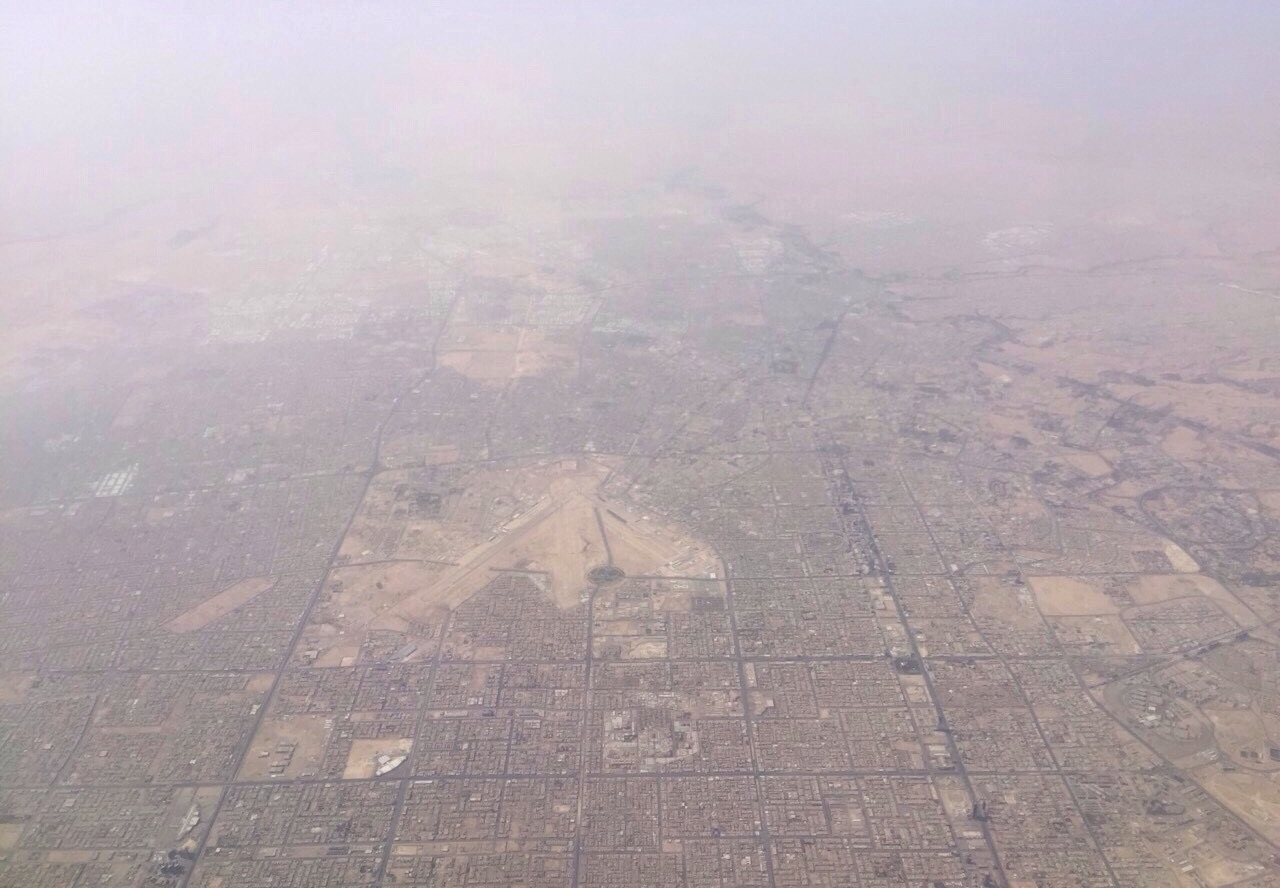
King Khalid International Airport partially reopened two terminals in Riyadh on Sunday after a two-week shutdown — and within hours, Yemen's Houthi rebels sent a fresh wave of missiles and drones streaking toward the Saudi capital and its southern cities, underscoring just how far a once-dormant war has reignited.
Saudi-led coalition air defenses intercepted a ballistic missile and two drones aimed at Riyadh, a cruise missile fired at Khamis Mushait, and ten additional ballistic missiles launched over southern Saudi Arabia, according to a Reuters report carried by the Tribune of India. Shrapnel from the intercepted projectiles injured two people and damaged property in Khamis Mushait and Ahad Rafidah, the coalition said.
The barrage came as Saudi civil defense officials said two missiles were also aimed toward the approach corridors near Islam's holiest cities, Mecca and Medina, triggering shrapnel-fall warnings before both were intercepted. Houthi military spokesman Yahya Saree dismissed that account as "a huge lie," insisting the real targets were three Saudi airports, oil infrastructure and an airbase — and warning that Riyadh's airport "is a military target for our forces" that "shall bear the consequences of any operations."
A Two-Week Shutdown, Reversed in Daylight
King Khalid International had been closed since an Oct. 10 Houthi strike killed 13 people and wounded more than 300 — the deadliest attack on Saudi soil in over a decade, and one of roughly 20 strikes the coalition says hit the airport between Oct. 1 and Oct. 11. Reopening two terminals Sunday was meant to signal normalcy returning to one of the Gulf's busiest hubs, but Al Jazeera's reporting noted flight-tracking data showed only a trickle of actual air traffic resuming, even as the airport's own statement claimed dozens of departures to London, Dubai and Beijing.
"THE BOMBARDMENT HAS BEEN VERY HEAVY SINCE THIS MORNING — MAY GOD KEEP US SAFE."
That's how one Khamis Mushait resident described the overnight barrage to AFP, in an account carried by The New Arab. Alerts also went out in Abha, Taif, Namas and Jazan as air defenses worked through the night.
Yemen's Houthis didn't confine Sunday's offensive to Saudi territory. Two ballistic missiles also struck Aden's international airport — the fourth such attack on the facility this month, according to Yemen's Transport Ministry — along with the city's coastguard headquarters and naval base. Yemen's internationally recognized government, based in Aden, has accused the Iran-aligned group of trying to seize full control of the country's Red Sea coastline toward the strategic Bab el-Mandeb Strait, through which a huge share of global shipping passes.
Truce in Ruins
The current escalation traces back to the collapse of a UN-brokered truce that had broadly held since 2022. Gulf Cooperation Council Secretary-General Jasem Mohamed Albudaiwi called Sunday's attacks "heinous," while Yemen's army claimed more than 700 "targeting operations" against Houthi positions in 24 hours and said 300 fighters had been killed — claims Al Jazeera noted it could not independently verify.
The stakes extend well beyond the battlefield. Saudi Arabia is the world's largest crude oil exporter, and the renewed fighting has already disrupted international carriers — Lufthansa and Air France both suspended Riyadh service through mid-November — while rattling energy markets watching to see whether the kingdom's oil infrastructure becomes a direct target.
For now, there's no sign of de-escalation. Saudi officials are framing the terminal reopening as proof the kingdom won't be cowed; Houthi officials are promising more of exactly what just happened. Whether King Khalid International stays open through the week may be the clearest real-time gauge of who is winning that argument.